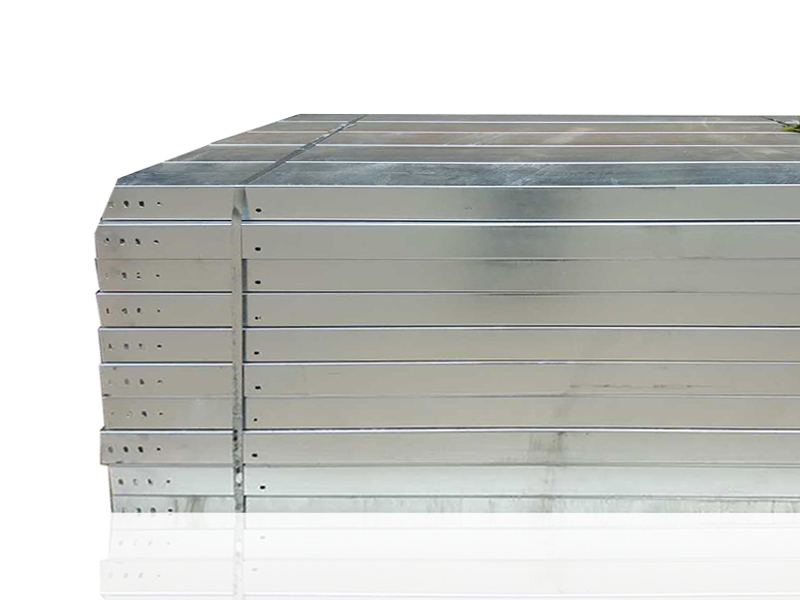
歡迎您光臨濟南蘇鑫電纜橋架有限公司網(wǎng)站!
濟南蘇鑫電纜橋架有限公司
客戶咨詢熱線
0531-85767688
售后熱線:15668327566
聯(lián)系基地:山東省 德州市協(xié)同發(fā)展產(chǎn)業(yè)園D06幢
文章來源:http://m.ymmgjx.net/?? 作者:電纜橋架廠家發(fā)布時間:2026-01-11?瀏覽次數(shù):1
在我們生活中很多地方大多能夠看到電纜橋架的身影,電纜橋架不僅可以保護電纜電線不受外界因素損壞,還可以保障我們?nèi)粘S秒姷陌踩?/span>
Cable trays can be seen in many places in our daily life. They not only protect cables and wires from damage caused by external factors, but also ensure the safety of our daily electricity usage.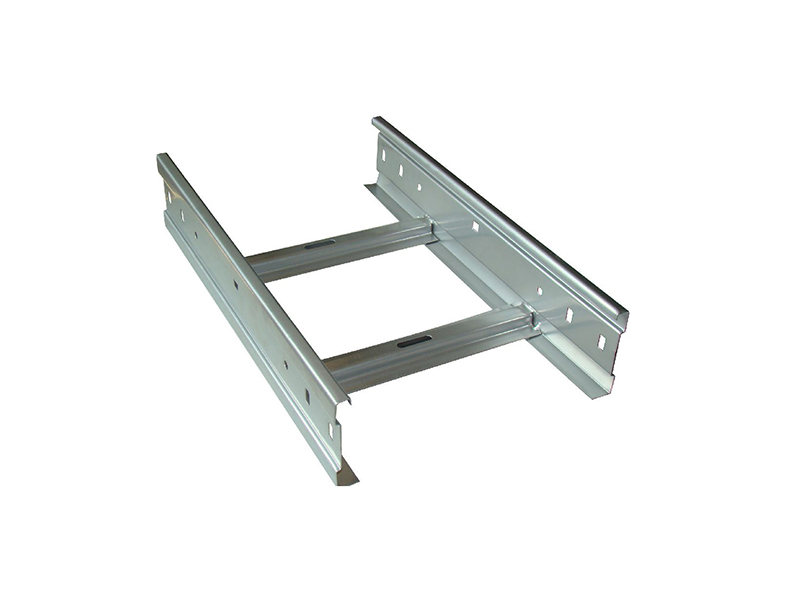
橋架是由托盤、梯架的直線段、彎通、附件以及支、吊架等構(gòu)成,用以支承電纜的具有連續(xù)的剛性結(jié)構(gòu)系統(tǒng)的總稱。是應(yīng)用在水平布線和垂直布線系統(tǒng)的安裝通道。
A cable tray is a general term for a continuous rigid structural system consisting of trays, straight sections of ladder racks, bends, accessories, and supports and hangers, used to support cables. It is an installation channel applied in horizontal and vertical cabling systems.
電纜橋架是使電線、電纜、管纜鋪設(shè)達到標(biāo)準(zhǔn)化、系列化、通用化的電纜鋪設(shè)裝置。
Cable trays are cable laying devices that enable the standardized, serialized, and universalized laying of wires, cables, and conduits.
一、 電纜橋架的分類
二、 電纜橋架的安裝規(guī)定
三、 橋架內(nèi)電纜敷設(shè)的規(guī)定
四、 電纜橋架的計算
五、BIM軟件技巧---橋架材質(zhì)的添加
一、電纜橋架的分類
1槽式電纜橋架
槽式電纜橋架是一種全封閉型電纜橋架。它非常適用于敷設(shè)計算機電纜、通信電纜、熱電偶電纜及其他高靈敏系統(tǒng)的控制電纜等。
1. Classification of Cable Trays
2. Installation Regulations for Cable Trays
3. Regulations for Cable Laying in Trays
4. Calculation of Cable Trays
5. BIM Software Skills - Adding Tray Materials
1. Classification of Cable Trays
1.1 Slotted Cable Trays
Slotted cable trays are a fully enclosed type of cable tray. They are most suitable for laying computer cables, communication cables, thermocouple cables, and control cables for other high-sensitivity systems.
它對控制電纜的屏蔽干擾和重腐蝕中環(huán)境電纜的防護都有較好的效果。
It has good effects on shielding interference of control cables and protection of environmental cables in severe corrosion conditions.
2托盤式電纜橋架
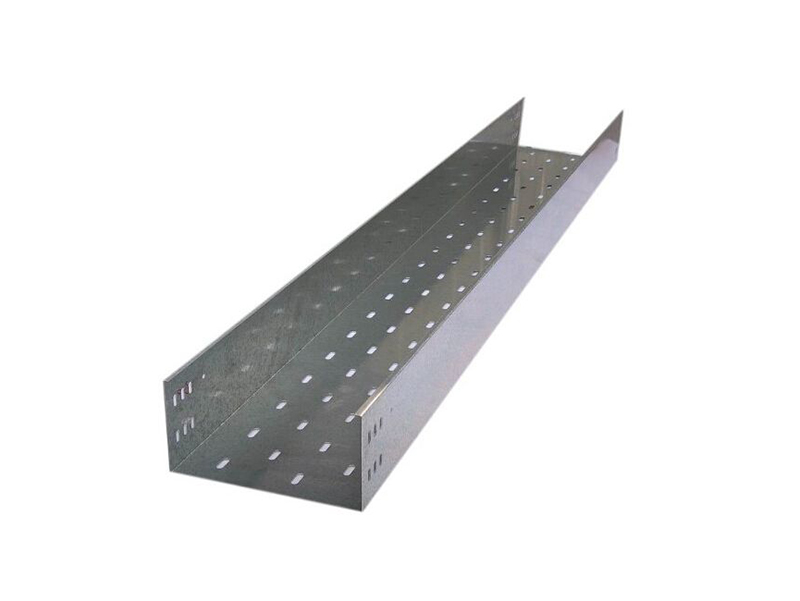
托盤式電纜橋架是石油、化工、輕工、電訊等方面應(yīng)用非常廣泛的一種。它具有重量輕、載荷大、造型美 、結(jié)構(gòu)簡單、安裝方便等優(yōu)點。
2 Tray-type Cable Tray
Tray-type cable tray is one of the most widely used types in petroleum, chemical, light industry, telecommunications, and other fields. It has the advantages of light weight, large load capacity, beautiful appearance, simple structure, and convenient installation.
它既適用于動力電纜的安裝,也適合于控制電纜的敷設(shè)。
It is suitable for both the installation of power cables and the laying of control cables.
它的外觀和槽式簡直沒什么不同,不過它的底部帶有打孔,所以散熱功能會比槽式的好許多。
Its appearance is almost indistinguishable from the slot type, but it has holes on the bottom, so its heat dissipation function is much better than that of the slot type.
3梯級式電纜橋架
梯級式電纜橋架它的外觀跟梯子相同。它具有重量輕、成本低、造型別具、安裝方便、散熱、透氣好等優(yōu)點。
3. Ladder-type Cable Tray
The ladder-type cable tray resembles a ladder in appearance. It boasts advantages such as light weight, low cost, unique design, convenient installation, good heat dissipation, and excellent ventilation.
它適用于一般直徑較大電纜的敷設(shè),適合于高、低壓動力電纜的敷設(shè)。
It is suitable for laying cables with generally larger diameters, and is particularly suitable for laying high and low voltage power cables.
這里需要提到一個線槽的概念,很多人把橋架與線槽混為一體,認為功能大體相同,其實不然,如圖:
橋架與線槽的主要區(qū)別
● 橋架主要用于敷設(shè)電力電纜和控制電纜,線槽用于敷設(shè)導(dǎo)線和通訊線纜;
● 橋架相對大(200×100到600×200),線槽相對較小;
● 橋架拐彎半徑比較大,線槽大部分拐直角彎;橋架跨距比較大,線槽比較小;固定、安裝方式不同;
● 在某些場所,橋架沒蓋,線槽通常全是帶蓋封閉的線槽來走線,橋架則是用來走電纜的。
Here, it is necessary to mention the concept of a wire duct. Many people confuse cable trays with wire ducts, thinking that their functions are largely the same. However, this is not the case, as illustrated in the figure below:
Main differences between cable trays and wire ducts
● Cable trays are mainly used for laying power cables and control cables, while wire ducts are used for laying conductors and communication cables;
● Cable trays are relatively larger (200×100 to 600×200), while wire ducts are relatively smaller;
● Cable trays have a larger turning radius, while most wire ducts make right-angle turns; cable trays have a larger span, while wire ducts have a smaller span; the methods of fixation and installation are different;
● In some places, cable trays are uncovered, while wire ducts are usually enclosed with covers for routing wires. Cable trays are used for routing cables.
二、電纜橋架的安裝規(guī)定
1、直線段鋼制電纜橋架長度超過30m、鋁合金或玻璃鋼制電纜橋架長度超過15m設(shè)有伸縮節(jié);電纜橋架跨越建筑物變形縫處設(shè)置補償裝置;
2、電纜橋架轉(zhuǎn)彎處的彎曲半徑,不小于橋架內(nèi)電纜非常小允許彎曲半徑;
3、當(dāng)設(shè)計無要求時,電纜橋架水平安裝的支架間距為1.5~3m;垂直安裝的支架間距不大于2m;
4、橋架與支架間螺栓、橋架連接板螺栓固定緊固無漏掉,螺母位于橋架外側(cè);當(dāng)鋁合金橋架與鋼支架固定時,有相互間絕緣的防電化侵蝕措施;
5、敷設(shè)在豎井內(nèi)和穿越不同防火區(qū)的橋架,按設(shè)計要求位置有防火隔堵措施;
6、支架與預(yù)埋件焊接固定時,焊縫豐滿;膨脹螺栓固定時,選用螺栓適配,螺栓緊固,防松零件齊全。
II. Installation Regulations for Cable Trays
1. Expansion joints shall be provided for steel cable trays with a length exceeding 30m in straight sections, and for aluminum alloy or fiberglass cable trays with a length exceeding 15m; compensation devices shall be installed at the locations where cable trays cross building deformation joints;
2. The bending radius of cable trays at turns shall not be less than the minimum allowable bending radius of the cables inside the tray;
3. When there are no design requirements, the spacing between supports for horizontally installed cable trays shall be 1.5-3m; the spacing between supports for vertically installed cable trays shall not exceed 2m;
4. Bolts between trays and supports, as well as bolts connecting trays, shall be firmly fixed without omissions, with nuts located on the outside of the trays; when aluminum alloy trays are fixed to steel supports, measures for mutual insulation against electrochemical corrosion shall be taken;
5. Cable trays laid in shafts and crossing different fire zones shall be provided with fireproofing and blocking measures at the locations required by design;
6. When supports are welded and fixed to embedded parts, the weld joints shall be full; when expansion bolts are used for fixation, suitable bolts shall be selected, the bolts shall be tightened, and anti-loose parts shall be complete.
三、橋架內(nèi)電纜敷設(shè)的規(guī)定
1、大于45°傾斜敷設(shè)的電纜每隔2m處設(shè)固定點;
2、電纜出入電纜溝、豎井、建筑物、柜(盤)、臺處以及管子管口處等做密封處理;
3、電纜敷設(shè)排列整潔,水平敷設(shè)的電纜,首尾兩端、轉(zhuǎn)彎兩側(cè)及每隔5~10m處設(shè)固定點;敷設(shè)于垂直橋架內(nèi)的電纜固定點間距符合要求。
III. Provisions for Cable Laying in Trays
1. For cables laid at an angle greater than 45°, set up fixing points every 2m;
2. Seal the entry and exit of cables from cable trenches, shafts, buildings, cabinets (panels), platforms, and pipe orifices;
3. The cables should be neatly arranged. For horizontally laid cables, set up fixing points at both ends, on both sides of turns, and every 5-10m; the spacing between fixing points for cables laid in vertical trays should meet the requirements.
四、電纜橋架的計算
1電纜橋架的實際荷載量計算
G總 = n1*q1+ n2*q2 + n3*q3……nn*qn
公式中:G總為總荷載,q1、q2、q3……qn為每根電纜單位重量(kg/m),n1、n2、n3……nn為相同電纜的根數(shù)。
IV. Calculation of Cable Trays 1. Calculation of Actual Load Capacity of Cable Trays Gtotal = n1*q1 + n2*q2 + n3*q3 + ... + nn*qn In the formula, Gtotal represents the total load, q1, q2, q3, ..., qn denote the unit weight (kg/m) of each cable, and n1, n2, n3, ..., nn signify the number of identical cables.
(G總<G允,G允電纜橋架的允許荷載,因為當(dāng)電纜橋架帶護罩在室外安裝時,還應(yīng)計人電纜橋架承受的非常大冰雪等載荷的影響。)
2電纜橋架寬度的計算
電纜橋架寬度的確定隨著電力電纜和控制電纜工作制的不同而有所區(qū)別。
(Gtotal < Gallowable, where Gallowable represents the allowable load of the cable tray. This is because when the cable tray is installed outdoors with a protective cover, the impact of maximum loads such as ice and snow that the cable tray may bear should also be taken into account.) 2. Calculation of Cable Tray Width The determination of cable tray width varies depending on the duty cycle of power cables and control cables.
GB50054-95第5.6.14條中規(guī)定,電纜在橋架內(nèi)敷設(shè)時,電纜總截面面積與橋架橫斷面之比,電力電纜不應(yīng)大于40%,控制電纜不應(yīng)大于50%。
According to Article 5.6.14 of GB50054-95, when cables are laid in trays, the ratio of the total cross-sectional area of the cables to the cross-sectional area of the tray should not exceed 40% for power cables and 50% for control cables.
(1)由于電力電纜在橋架內(nèi)一般是單層水平排放,所以其安裝橋架寬度b為:
b=n1*(d1+k1)+n2*(d2+k2)+n3*(d3+k3)+……nn*(dn+kn)
公式中:d1、d2、d3……dn為橋架內(nèi)各種電纜的外徑,單位為mm;n1、n2、n3……nn為上述同種型號規(guī)格電纜的根數(shù);K1、k2、k3……為上述電纜放置時的間距,其值非常小應(yīng)大于電纜直徑的1/4。
(1) Since power cables are generally arranged horizontally in a single layer within the tray, the width b of the installation tray is calculated as follows: b=n1*(d1+k1)+n2*(d2+k2)+n3*(d3+k3)+……nn*(dn+kn) In the formula, d1, d2, d3……dn represent the outer diameters of various cables within the tray, measured in millimeters; n1, n2, n3……nn denote the number of cables of the same model and specification mentioned above; K1, k2, k3……represent the spacing between the aforementioned cables during placement, with the minimum value being greater than 1/4 of the cable diameter.
(2)控制電纜橋架的寬度b的計算:(一般電纜橋架的填充率取40%左右)
電纜的總截面積:S=S0/40%d=S/H=S0/40%h
公式中:S0=n1*S1+n2*S2+n3*S3+……;n1、n2、n3...為相應(yīng)電纜的根數(shù);S1、S2、S3...為各電纜橫截面積(按電纜外徑計算);
需要的托架橫載面積:So=n1,式中:h為電纜橋架凈高。
(2) Calculation of the width b of the control cable tray: (Generally, the filling rate of the cable tray is taken as about 40%) The total cross-sectional area of the cables: S=S0/40%d=S/H=S0/40%h In the formula: S0=n1*S1+n2*S2+n3*S3+...; n1, n2, n3... represent the number of corresponding cables; S1, S2, S3... represent the cross-sectional areas of each cable (calculated based on the outer diameter of the cable); The required cross-sectional area of the bracket: So=n1, where h represents the clear height of the cable tray.
針對上述復(fù)雜的計算公式,我們非專業(yè)人士還是很難計算,現(xiàn)在告訴大家一個經(jīng)驗表格,輔助大家在電纜橋架支架受力演算時查找對應(yīng)數(shù)值。
Given the aforementioned complex calculation formulas, it is difficult for non-professionals to calculate. Now, we will provide you with an empirical table to assist you in finding the corresponding values during the force calculation of cable tray supports.
五、橋架材質(zhì)的添加
橋架在Revit軟件中默認是沒有材質(zhì)的,導(dǎo)致我們把橋架導(dǎo)入一些渲染軟件中也沒有材質(zhì),下面給大家介紹兩種電纜橋架添加材質(zhì)的方法。
5. Adding Material to Cable Trays
By default, cable trays in Revit software do not have a material assigned, which leads to the issue of importing them into rendering software without any material. Below, we will introduce two methods for adding material to cable trays.
電纜橋架--無材質(zhì)
電纜橋架--添加材質(zhì)后
1、第一種方法:
第一種添加的方式為【管理】--【設(shè)置】--【對象樣式】在對應(yīng)的樣式里設(shè)置,如圖:
2、第二種方法:
第二種添加的方式為,點擊選中橋架后在【管理】--【設(shè)置】--【項目參數(shù)】,通過添加項目參數(shù)或共享參數(shù)給橋架添加材質(zhì)參數(shù),如圖:
圖:給橋架賦予材質(zhì)的項目參數(shù)
注意:需要設(shè)置為實例參數(shù)
然后在繪圖區(qū)域中選中需要設(shè)置材質(zhì)的橋架,在屬性面板中,點擊剛剛添加的“材質(zhì)”參數(shù)選項,然后設(shè)置橋架材質(zhì)信息,如圖:
本文由 濟南電纜橋架 電纜橋架 友情奉獻.更多有關(guān)的知識請點擊 http://m.ymmgjx.net/ 真誠的態(tài)度.為您提供為多維度的服務(wù).更多有關(guān)的知識我們將會陸續(xù)向大家奉獻.敬請期待.
Cable tray -- no material Cable tray -- after adding material 1. First method: The first way to add is through [Manage] -- [Settings] -- [Object Styles] in the corresponding style, as shown in the figure: 2. Second method: The second way to add is by clicking and selecting the tray, then going to [Manage] -- [Settings] -- [Project Parameters], and adding material parameters to the tray by adding project parameters or shared parameters, as shown in the figure: Figure: Assign material to the tray Project parameters Note: It needs to be set as an instance parameter. Then select the tray in the drawing area that needs to be set with material, click the "material" parameter option just added in the property panel, and set the tray material information, as shown in the figure: This article is kindly contributed by Jinan Cable Tray. For more relevant knowledge, please click http://m.ymmgjx.net/ with a sincere attitude. We will continue to provide you with comprehensive services. More relevant knowledge will be presented to you in the future. Please stay tuned
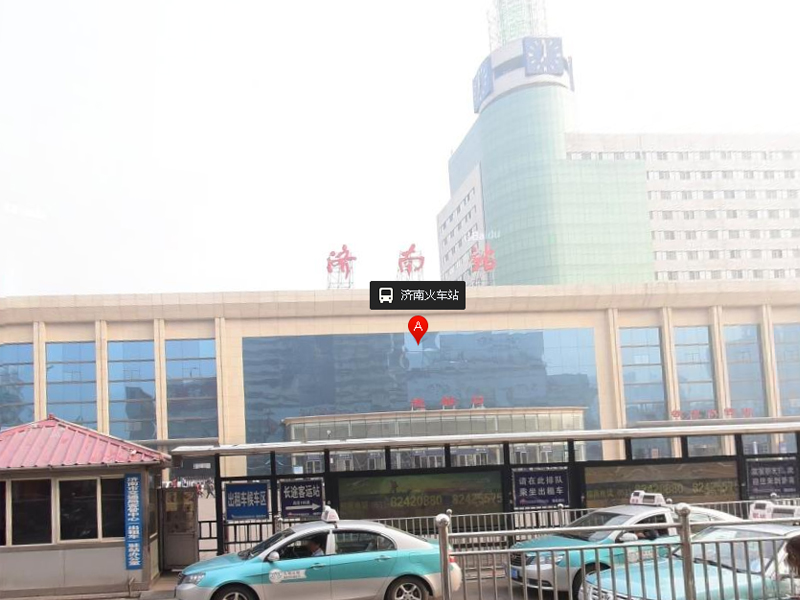 濟南火車站
濟南火車站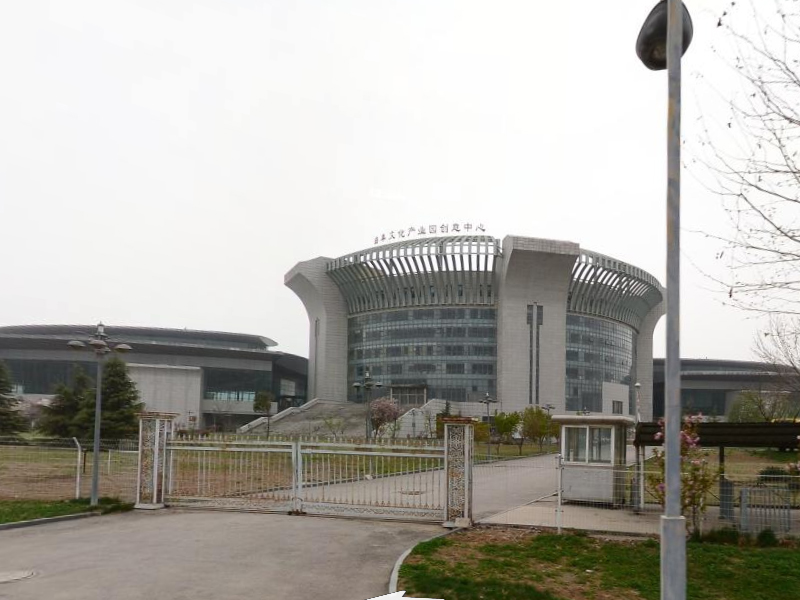 曲阜孔子文化會展中心
 山東工藝美院
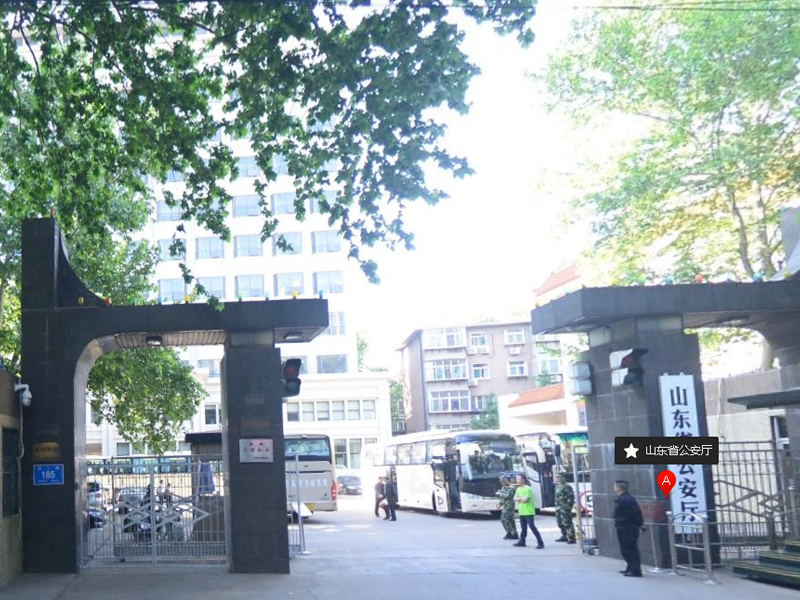 公安廳服務(wù)展示
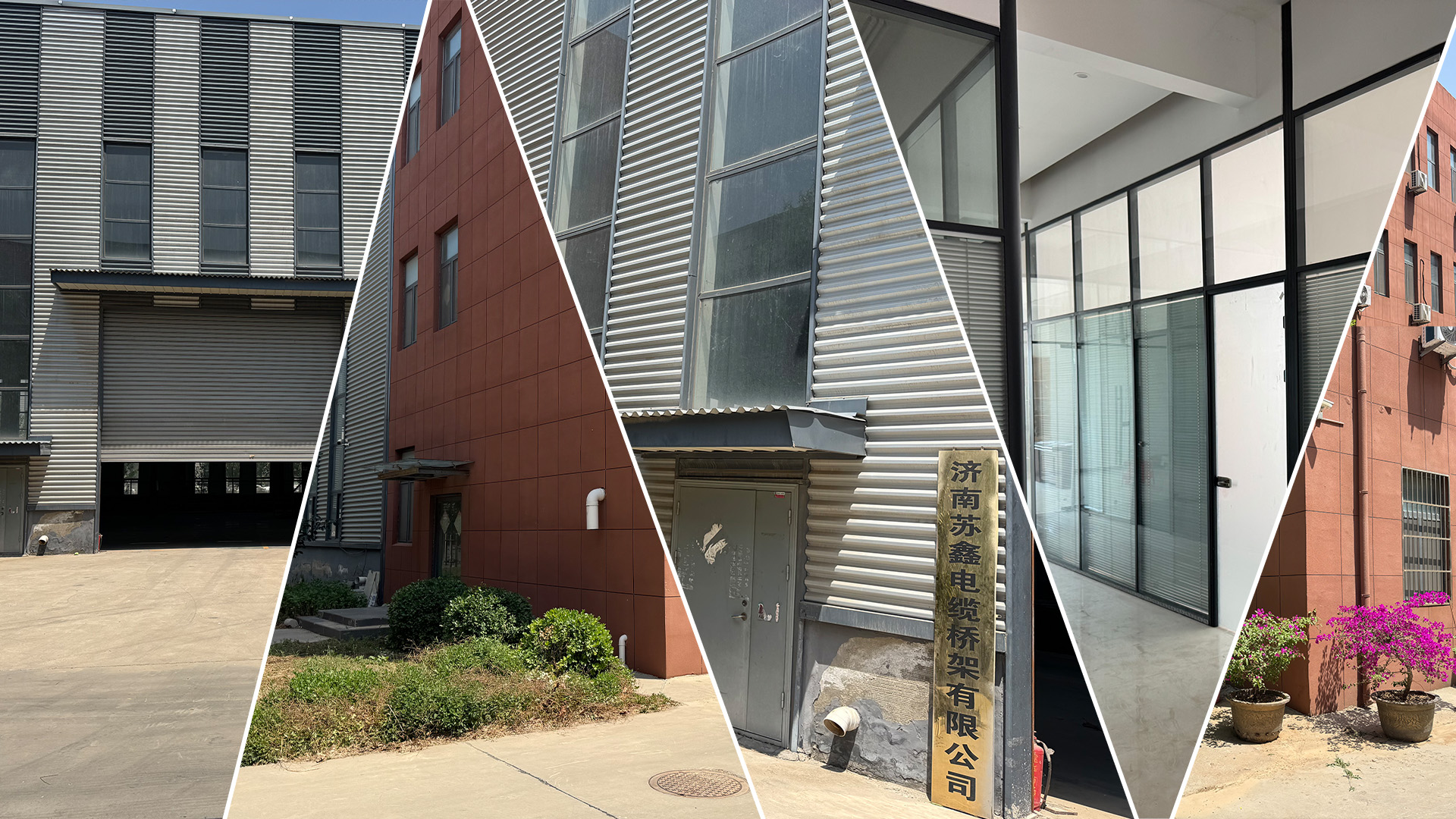 梯式橋架:工業(yè)動力的“呼吸”骨架
在建筑電氣與工業(yè)廠房的龐大系統(tǒng)中,電纜橋架猶如人體的血管,負責(zé)輸送持續(xù)供應(yīng)的動力與信號。而在眾多橋架類型中,梯式橋架憑借其獨特的結(jié)構(gòu)設(shè)計,成為了大截面動力電纜的絕佳載體。In the vast sys
TIME:2026-06-22
服務(wù)熱線:0531-85767688
售后電話:15668327566
公司網(wǎng)址:http://m.ymmgjx.net/
聯(lián)系基地:山東省 德州市協(xié)同發(fā)展產(chǎn)業(yè)園D06幢
本網(wǎng)站部分內(nèi)容來源于網(wǎng)絡(luò),如有侵權(quán)請告知!我們立即刪除;本網(wǎng)站嚴(yán)格遵循國家相關(guān)法律法規(guī)規(guī)定,如有不當(dāng)之處,請告知!我們立即刪除。
網(wǎng)站備案:魯ICP備2022033215號
濟南蘇鑫電纜橋架有限公司