配電能的箱體就叫配電柜,主要用作對用電設備的控制、配電,對線路的過載、短路、漏電起保護作用。配電柜內包括接線端子、保護設備、各種刀閘、計量設備以及測量設備等,應用較為廣泛。
The distribution box is called a distribution cabinet, mainly used for controlling and distributing electrical equipment, and for protecting the circuit from overload, short circuit, and leakage. The distribution cabinet includes wiring terminals, protective equipment, various switches, measuring equipment, and measuring equipment, which are widely used.
主要用作對電力線路、主要用電設備的控制、監視、測量與保護。常設置在變電站、配電室等場合。那么配電柜的進線出線方式有哪些?需要相關注意哪些事項呢?下面
濟南電纜橋架廠小編淺淺地給大家介紹一下。
Mainly used for control, monitoring, measurement, and protection of power lines and major electrical equipment. It is often installed in substations, distribution rooms, and other occasions. So what are the incoming and outgoing methods of the distribution cabinet? What precautions should be taken? Next, we will introduce the cable tray factory to you.
配電柜的進線出線方式:
The incoming and outgoing methods of the distribution cabinet:
配電柜的進出線方式形式多種,有上進下出,還有下進上出,也有側進上出,側進下出等;
There are various ways of incoming and outgoing lines in the distribution cabinet, including top in and bottom out, bottom in and top out, side in and top out, side in and bottom out, etc;
1、具體形式的選擇根據進線柜如果與上段柜并柜,那就是側進;
1. The specific form selection depends on whether the incoming cabinet is combined with the upper section cabinet, which is side entry;
2、如果上段柜非并柜,那就走電纜或者母線橋;電纜可以上進也可以下進,母線橋就需要上進了;
2. If the upper cabinet is not a combined cabinet, then use a cable or bus bridge; The cable can be fed up or down, so the bus bridge needs to be fed up;
3、出線方式根據工程要求來選擇,如果有電纜溝就下出,如果是電纜橋架就上出;(具情況而定)
3. The outgoing mode shall be selected according to the project requirements. If there is a cable trench, the outgoing mode shall be downward, and if there is a cable tray, the outgoing mode shall be upward; (depending on the situation)
(1)進線方式:電流流進配電柜的入口處在哪兒就決定了進線方式,比如從柜頂流進來的(這種方式一般通過母線槽引電流來),就叫上進;從柜底流進來的叫下進(這種方式一般用電纜引電流來);從柜側流進來的就叫側進(這種方式一般用在進線柜和變壓器緊挨著的時候等等)。
(1) Incoming method: The location of the entrance where the current flows into the distribution cabinet determines the incoming method. For example, if the current flows in from the top of the cabinet (usually through the bus duct), it is called incoming; What flows in from the bottom of the cabinet is called downflow (this method usually uses cables to draw current); The flow in from the cabinet side is called side entry (this method is generally used when the incoming cabinet and transformer are adjacent, etc.).
(2)出線方式:電流流出配電柜的出口在哪兒就決定了出線方式,如上,但一般只有上出線,和下出線二種方式。
(2) Outlet method: The outlet where the current flows out of the distribution cabinet determines the outlet method. As mentioned above, there are generally only two methods: upper outlet and lower outlet.
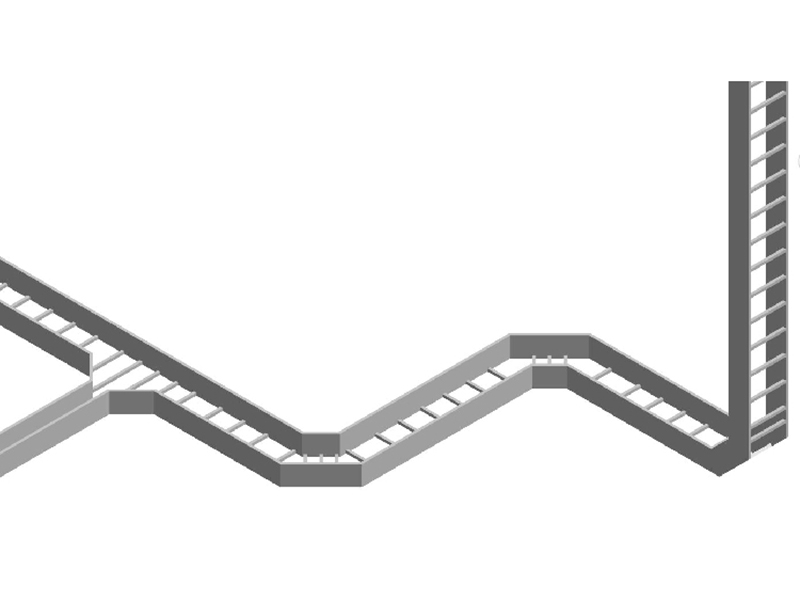
配電柜進出線相關注意事項:
Precautions for incoming and outgoing lines of distribution cabinets:
在計算配電柜到配電柜,電纜長度時,如何考慮配電柜在哪里進線和出線的?
When calculating the cable length from the distribution cabinet to the distribution cabinet, how do you consider where the distribution cabinet enters and exits?
一般根據經驗,一般來說你,如果未設置電纜溝,一般配電盤柜大部分從頂出線,這非常表現在配電室內,如果是配電箱一般是從箱底出線。
Based on experience, generally speaking, if there is no cable trench set up, most of the distribution panels and cabinets come out from the top, which is particularly evident in the distribution room. If it is a distribution box, it usually comes out from the bottom of the box.
在計算配電柜到配電柜電纜長度時應該是按加長2米考慮的配電柜一般是在配電柜底部進線和出線的。
When calculating the cable length from the distribution cabinet to the distribution cabinet, it should be considered to extend it by 2 meters. The distribution cabinet is usually equipped with incoming and outgoing lines at the bottom of the distribution cabinet.
TN-C-S系統通常以進線配電箱作為TN-C和S的分界點,就是進線4根,出線5根,N和PE在配電箱前合一稱為PEN線,配電箱后分開而且不再接觸。N線不再接地,PE線只可以接用電設備的金屬外殼,不能接中性線,可以多處接地,還做總等電位連結。
The TN-C-S system usually uses the incoming distribution box as the dividing point between TN-C and S, with 4 incoming lines and 5 outgoing lines. N and PE merge in front of the distribution box and are called PEN lines, which are separated and no longer in contact after the distribution box. The N wire is no longer grounded, and the PE wire can only be connected to the metal shell of the electrical equipment, not to the neutral wire. It can be grounded in multiple places and also connected to a total equipotential connection.
TN-C-S系統當然可以進四出五了,PEN入戶接地分成N,PE。強調一點就是以后這兩根線不可以再合并了,從這個配電箱以后就只能是TN-S系統了。
The TN-C-S system can of course enter four out five, and PEN is divided into N and PE for household grounding. One point to emphasize is that these two lines cannot be merged in the future, and from this distribution box onwards, it can only be the TN-S system.
That's all for the introduction and related precautions of the power distribution cabinet. Do you have any new understanding of this? Welcome to our website and us http://m.ymmgjx.net Let's communicate together!
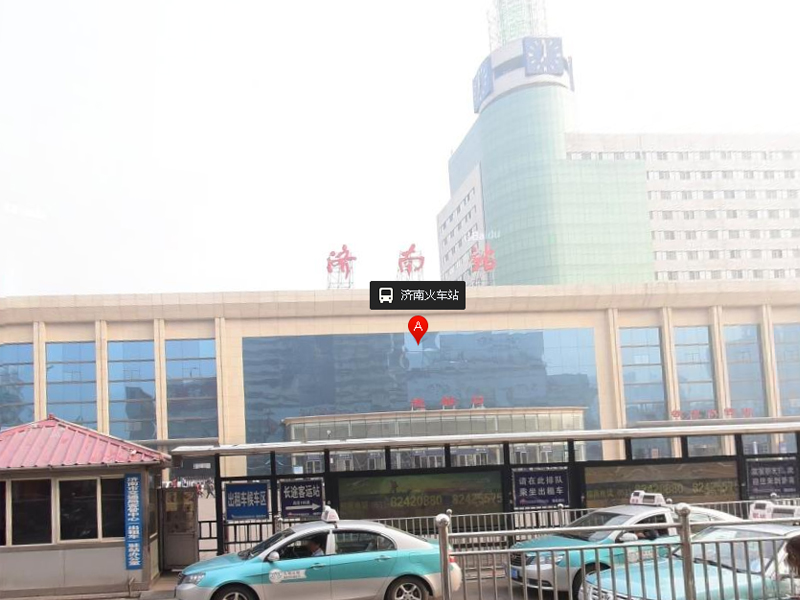 濟南火車站
濟南火車站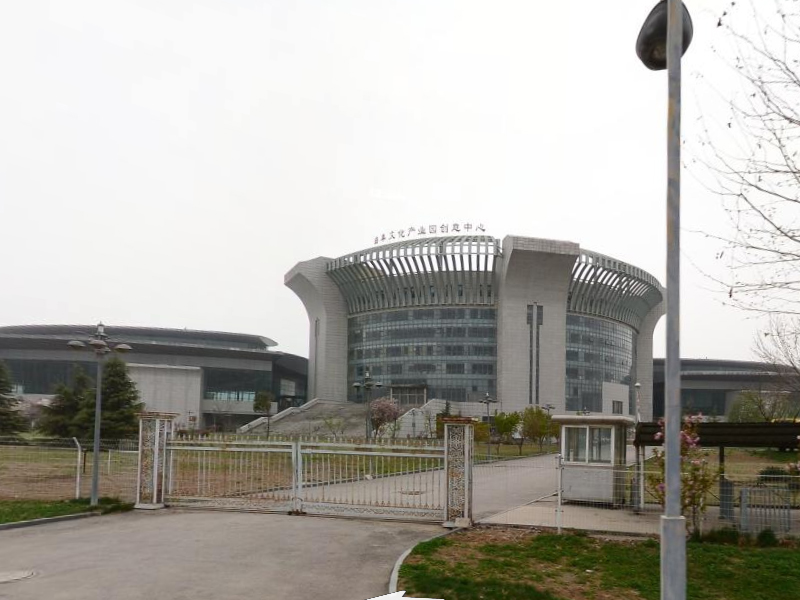 曲阜孔子文化會展中心
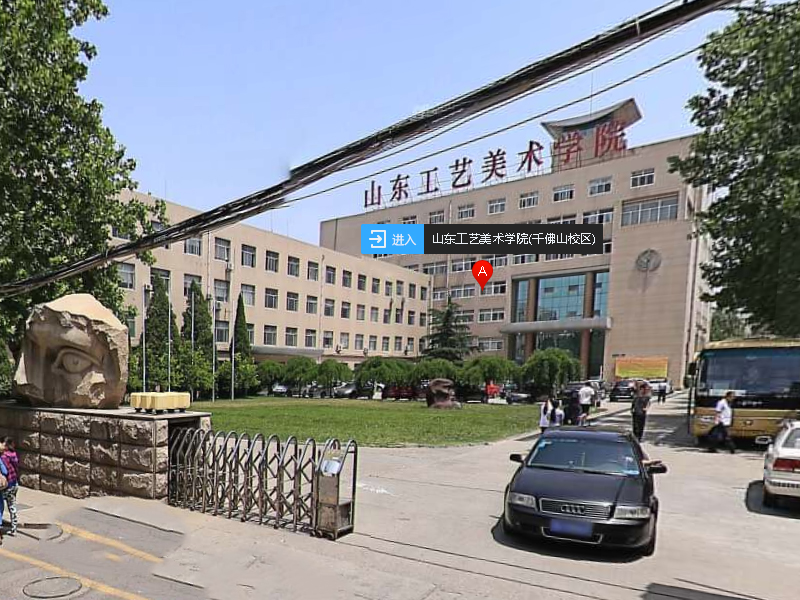 山東工藝美院
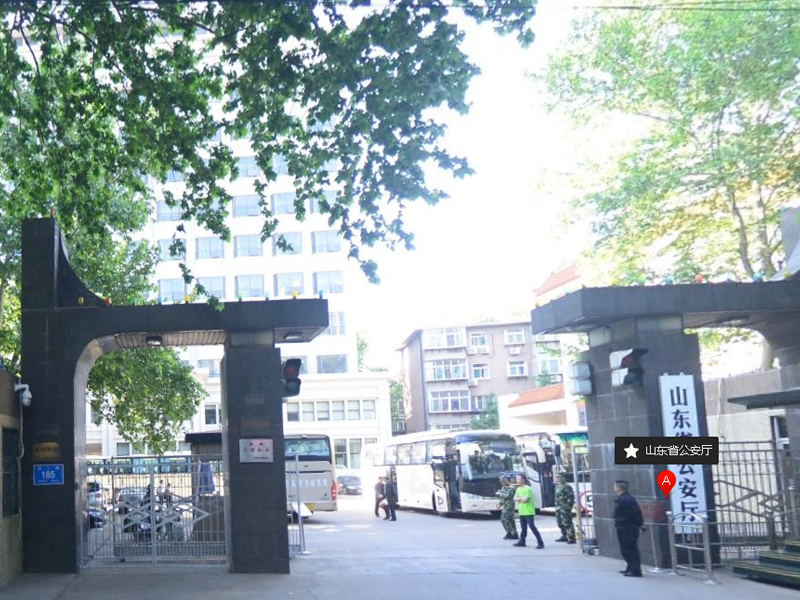 公安廳服務展示
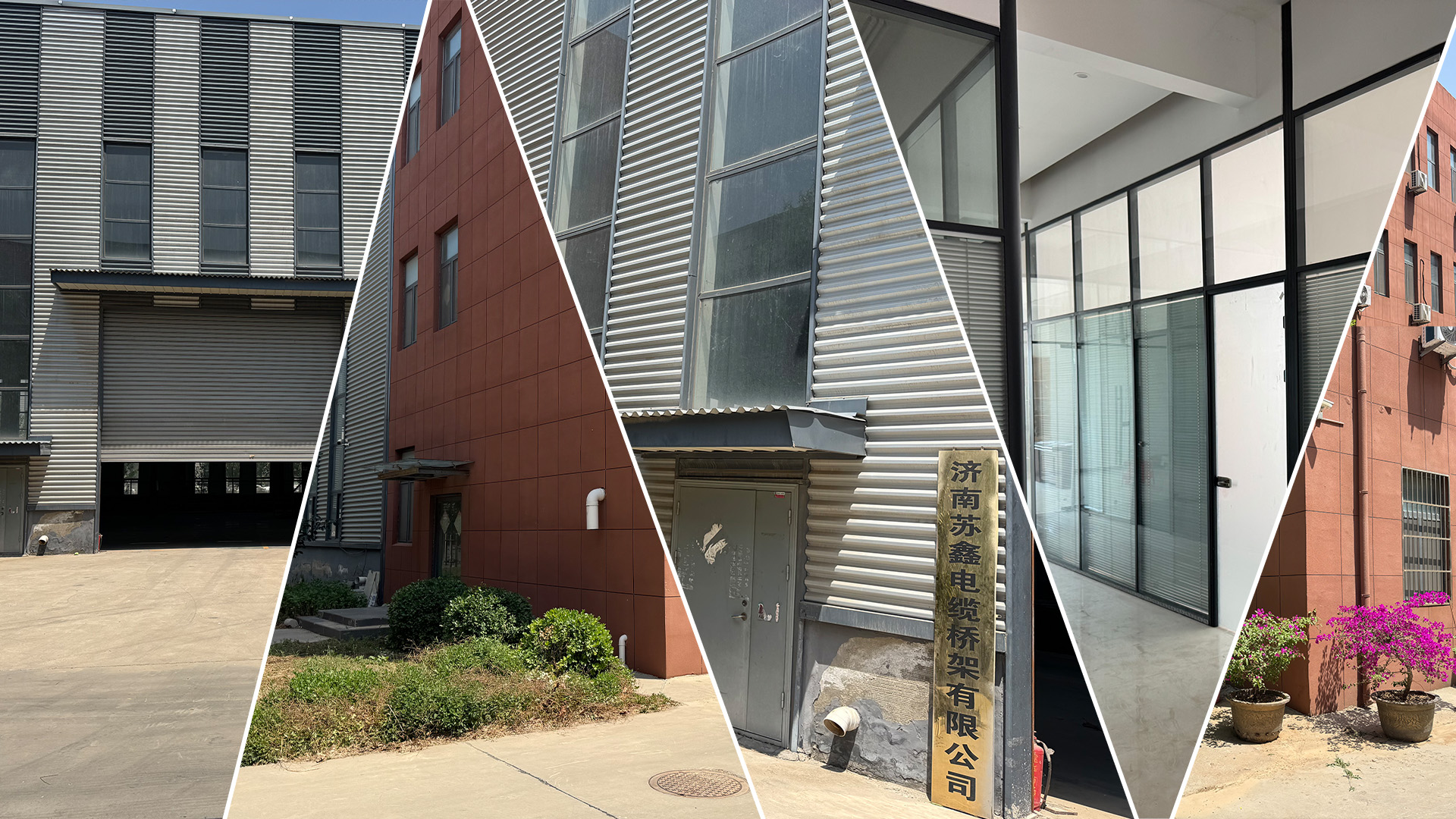 梯式橋架:工業動力的“呼吸”骨架