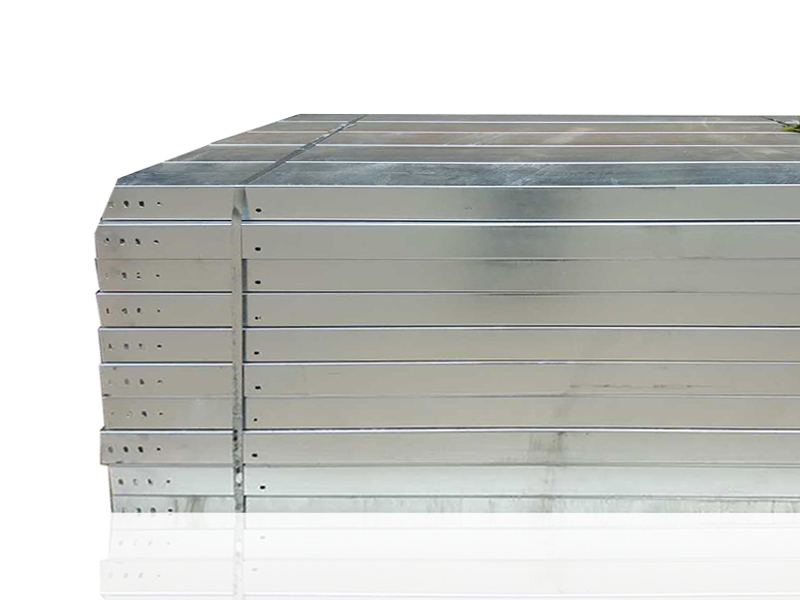
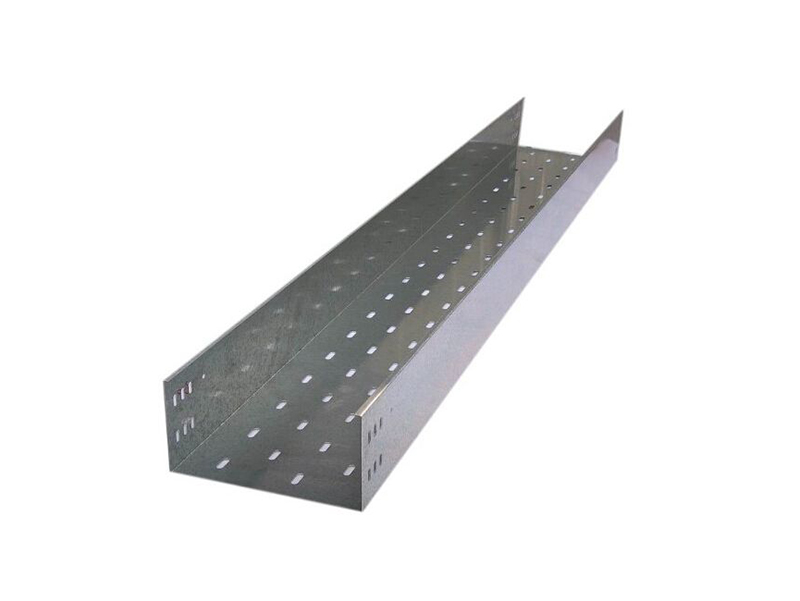
為了盡可能減少電纜損壞的發(fā)生,保證電纜的正常敷設(shè),保證電纜的正常運(yùn)行,須根據(jù)不同的電纜和地理環(huán)境,同時安裝不同規(guī)格的電纜橋架調(diào)整規(guī)格,目的是做好電纜敷設(shè)工作。那么
濟(jì)南電纜橋架的規(guī)格是什么意思?在選擇規(guī)格時,我們應(yīng)該考慮哪些因素?
In order to minimize the occurrence of cable damage, ensure the normal laying of cables, and ensure the normal operation of cables, it is necessary to adjust the specifications of cable trays according to different cables and geographical environments. The purpose is to do a good job in cable laying. So what does the specification of Jinan cable tray mean? What factors should we consider when selecting specifications?
一般來說,規(guī)格上選擇是指橋架的寬度和高度的選擇。此時,敷設(shè)電纜的直徑和電纜本身的規(guī)格須作為敷設(shè)的選擇條件,這也是敷設(shè)時須考慮的一點(diǎn)。
Generally speaking, the selection of specifications refers to the selection of the width and height of the bridge. At this point, the diameter of the laid cable and the specifications of the cable itself must be considered as the selection criteria for laying, which is also a point to consider when laying.
在電纜敷設(shè)過程中,根據(jù)安裝的實(shí)際需要,可以對敷設(shè)方案進(jìn)行調(diào)整,一切從實(shí)際出發(fā),同時為以后的實(shí)際應(yīng)用預(yù)留空間也非常重要。
During the cable laying process, the laying plan can be adjusted according to the actual installation needs, starting from reality and reserving space for future practical applications is also very important.
電纜橋架的種類很多,目前市場上常見的有五種,無論哪一種都具備重量輕、成本低、安裝舒適等優(yōu)點(diǎn),其中一些在外表上看仍然很漂亮,當(dāng)然,每種類型的電纜橋架都有相似的位置和自身的優(yōu)越性。
There are many types of cable trays, and currently there are five common ones in the market. Each type has advantages such as light weight, low cost, and comfortable installation. Some of them still look beautiful on the surface. Of course, each type of cable tray has similar positions and its own advantages.
從生產(chǎn)材料上看,有金屬橋架和玻璃鋼橋架,須根據(jù)實(shí)際情況選擇。
From the perspective of production materials, there are metal cable trays and fiberglass cable trays, which must be selected according to the actual situation.
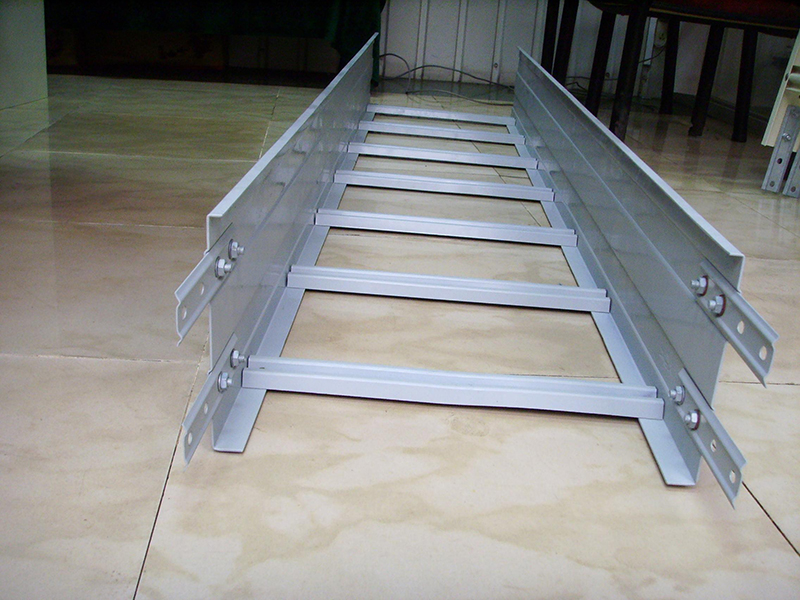
此外在安裝方面時要注意,橋架水準(zhǔn)敷設(shè)時,離地高度一般不能少于2.5m。橋架雙層敷設(shè)時,為了能排熱、維護(hù)保養(yǎng)及其防影響的需求,橋架固層應(yīng)留出一定之間的距離電纜橋架在與各種管路平行面敷設(shè)時,其間距建議符合相關(guān)的相關(guān)規(guī)定。
In addition, it should be noted during installation that when the bridge is laid horizontally, the height from the ground should generally not be less than 2.5m. When the cable tray is laid in double layers, in order to meet the requirements of heat removal, maintenance, and impact prevention, a certain distance should be left between the fixed layers of the cable tray. When the cable tray is laid parallel to various pipelines, its spacing must comply with relevant regulations.
電纜橋架的抗震支架品質(zhì)建議符合現(xiàn)行的相關(guān)標(biāo)準(zhǔn)規(guī)范電纜橋架水準(zhǔn)敷設(shè)時,支撐點(diǎn)跨度一般為1.5~3m一試豎直敷設(shè)時,固定不動間隔不能超過2m兩鄰近橋架拖臂中間水準(zhǔn)高度差不應(yīng)超過10mm,兩鄰近橋架拖臂豎直中心線的豎直誤差不應(yīng)超過20mm。
The seismic support quality of cable trays must comply with the current relevant standards and specifications. When laying cable trays horizontally, the span of the support point is generally 1.5~3m. When laying vertically, the fixed fixed spacing should not exceed 2 meters. The difference in height between the two adjacent cable tray trailing arms should not exceed 10 mm, and the vertical error of the vertical centerline of the two adjacent cable tray trailing arms should not exceed 20 mm.
選擇電纜橋架規(guī)格時應(yīng)考慮的因素相關(guān)內(nèi)容就講解到這里了,希望您能夠做好準(zhǔn)備工作,規(guī)避大部分的問題,更多橋架內(nèi)容就來我們網(wǎng)站
http://m.ymmgjx.net咨詢看看吧!
That's all for the factors that should be considered when selecting cable tray specifications. We hope you can prepare well and avoid most of the problems. For more information on cable trays, please visit our website http://m.ymmgjx.net Consult and take a look!
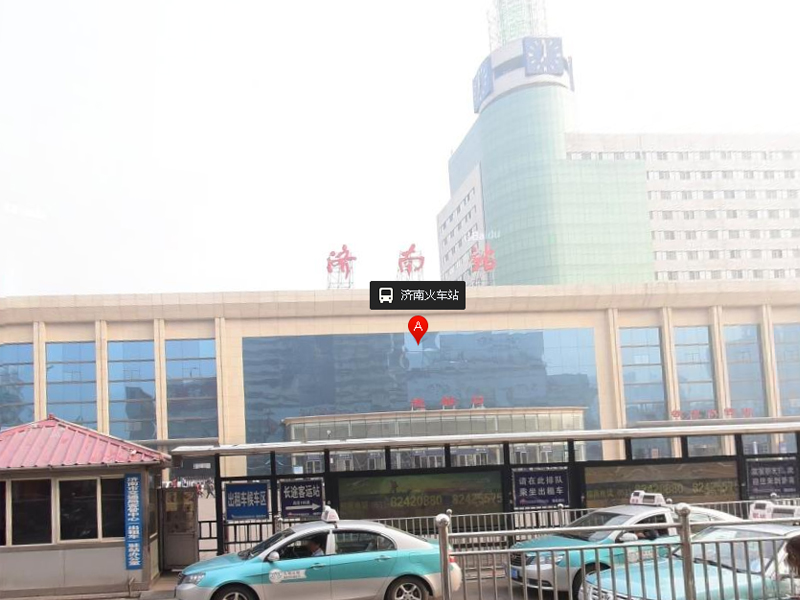 濟(jì)南火車站
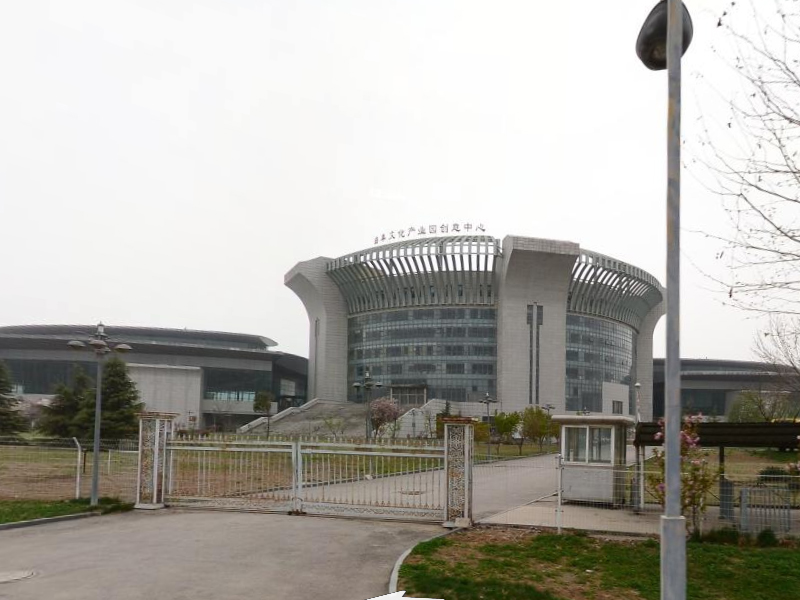 曲阜孔子文化會展中心
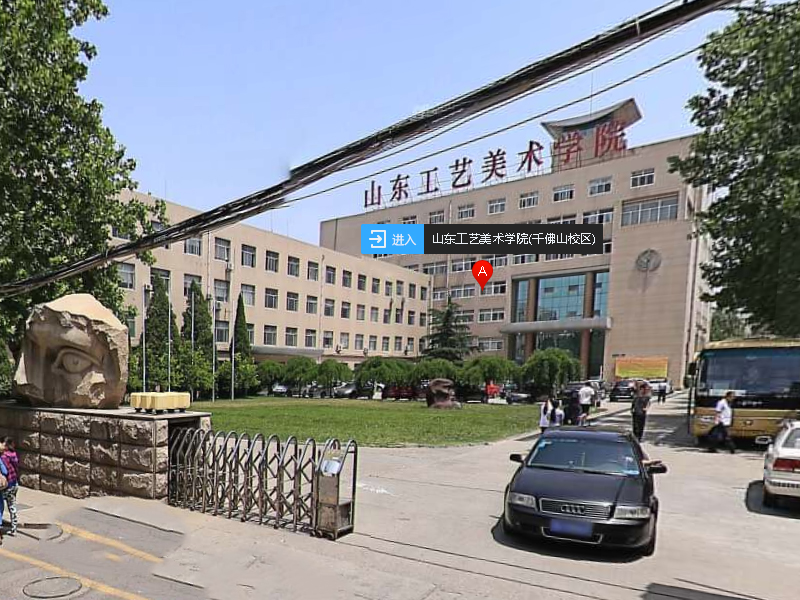 山東工藝美院
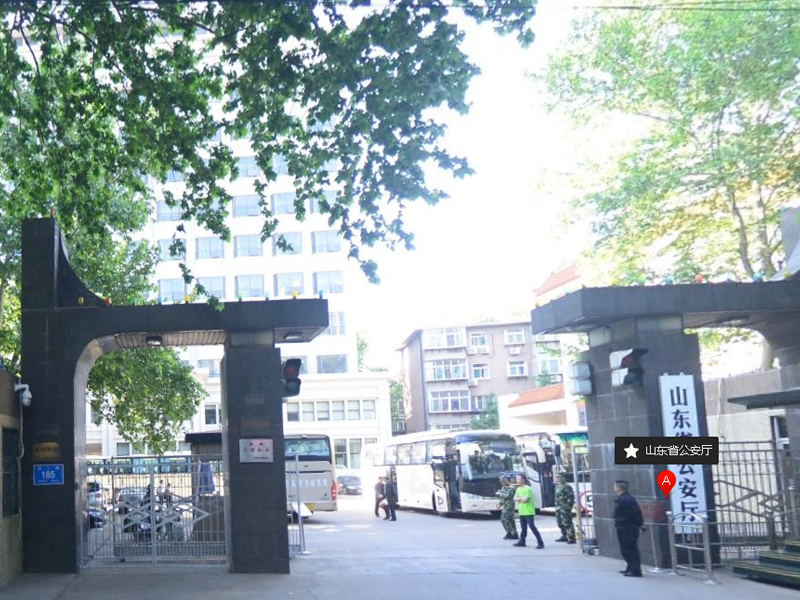 公安廳服務(wù)展示
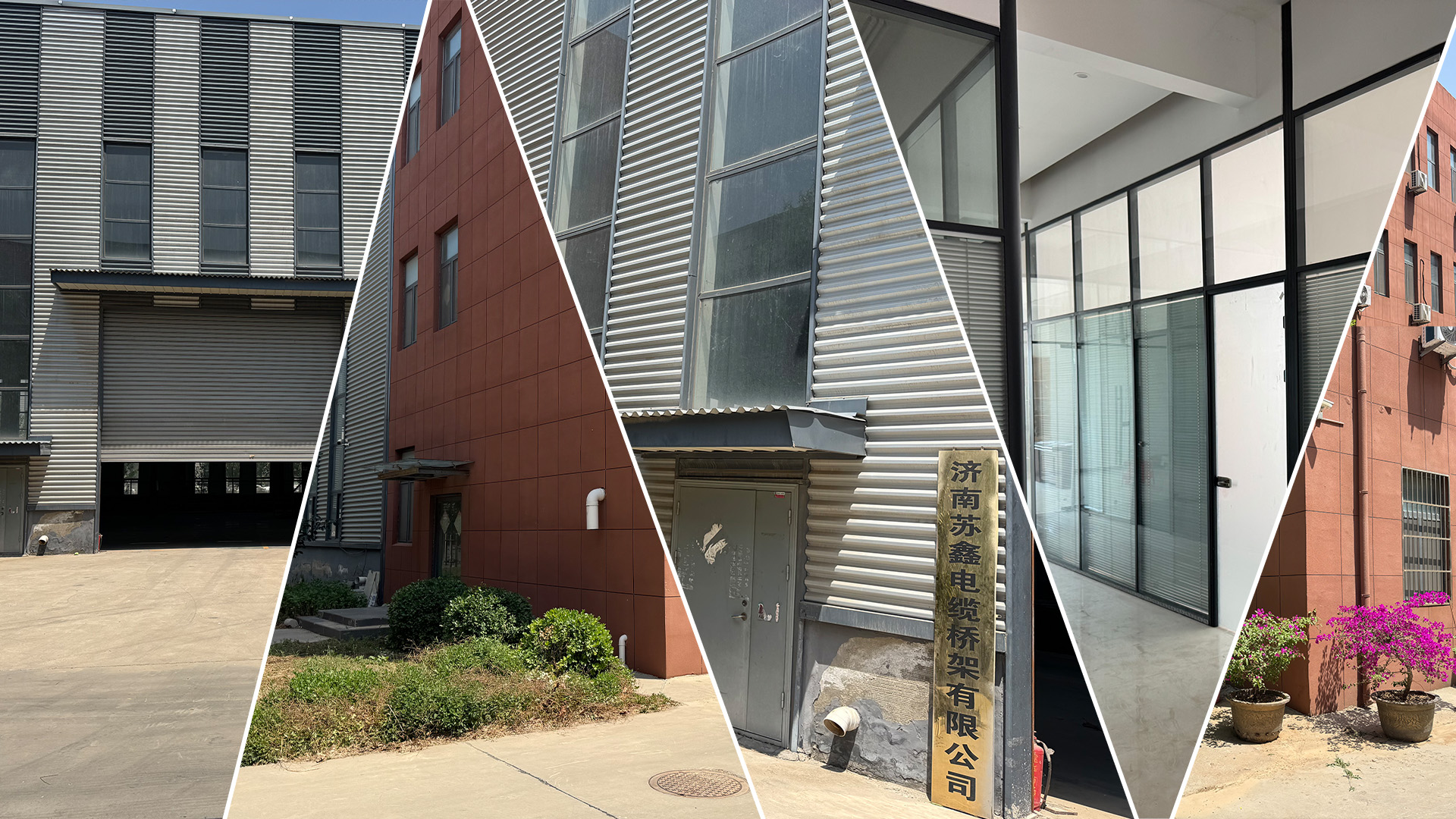 梯式橋架:工業(yè)動力的“呼吸”骨架