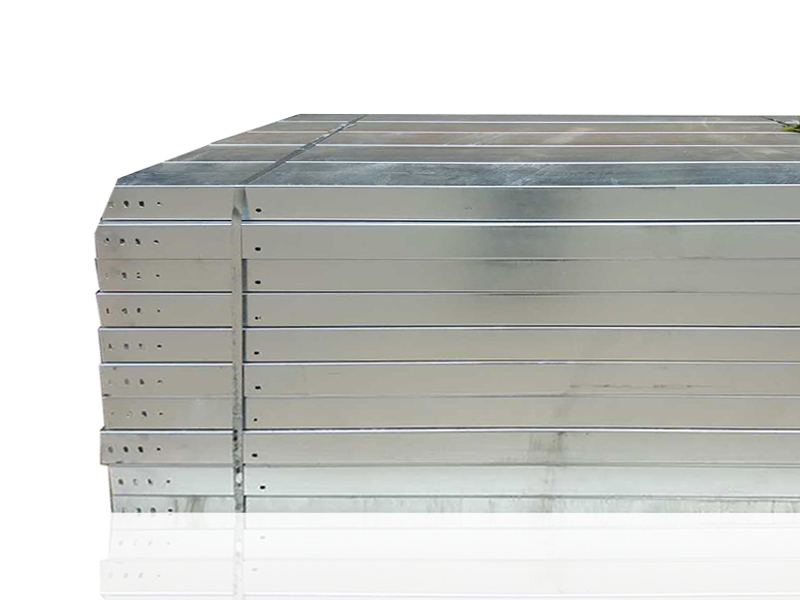
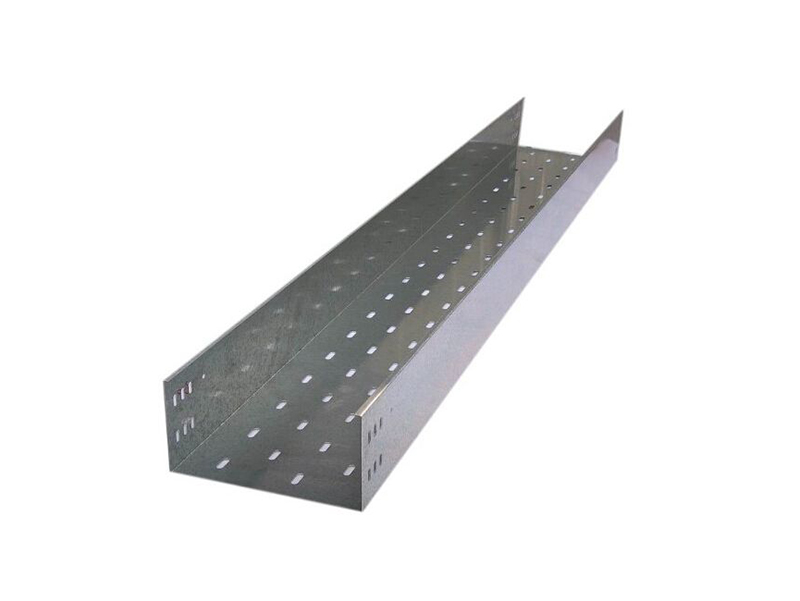
在現代化建筑與工業設施中,電纜橋架作為電力與信號傳輸系統的"血管網絡",其材質選擇直接影響系統安全性、維護成本及使用壽命。當前主流材質涵蓋鋼制、鋁合金、玻璃鋼、不銹鋼及工程塑料五大類,每種材質的性能特征均與特定應用場景形成深度耦合。本文將從材料科學角度解析不同材質的技術特性,為工程選型提供科學依據。
In modern buildings and industrial facilities, cable trays serve as the "vascular network" of power and signal transmission systems, and their material selection directly affects system safety, maintenance costs, and service life. The current mainstream materials cover five categories: steel, aluminum alloy, fiberglass, stainless steel, and engineering plastics. The performance characteristics of each material are deeply coupled with specific application scenarios. This article will analyze the technical characteristics of different materials from the perspective of materials science, providing scientific basis for engineering selection.
一、鋼制橋架:性價比之選的雙刃劍
1、 Steel bridge frame: a double-edged sword of cost-effectiveness
優勢矩陣:
Advantage Matrix:
作為傳統主流材質,鋼制橋架以Q235冷軋鋼板為基材,通過酸洗、磷化、靜電噴塑等工藝形成防護層。其機械強度達到350MPa以上,可承載跨距達3米的電纜布局,單位成本較鋁合金低40%-50%。在物流倉儲、地下車庫等場景,鍍鋅工藝使其耐鹽霧試驗超1000小時,防腐性能滿足C3環境等級要求。
As a traditional mainstream material, steel bridge frames are made of Q235 cold-rolled steel plates as the base material, and a protective layer is formed through processes such as acid washing, phosphating, and electrostatic spraying. Its mechanical strength reaches over 350MPa and can support cable layouts with spans of up to 3 meters, with a unit cost 40% -50% lower than aluminum alloy. In logistics warehousing, underground parking lots and other scenarios, the galvanizing process enables salt spray resistance testing to exceed 1000 hours, and the anti-corrosion performance meets the requirements of C3 environmental level.
隱性短板:
Hidden weaknesses:
但防護層破損后易產生連鎖腐蝕,在沿海化工區實際使用中,3年腐蝕深度可達0.2mm。自重系數過高,導致運輸安裝成本增加15%-20%。
However, after the protective layer is damaged, it is prone to chain corrosion. In actual use in coastal chemical areas, the corrosion depth can reach 0.2mm in 3 years. The high self weight coefficient leads to an increase of 15% -20% in transportation and installation costs.
二、鋁合金橋架:輕量化時代的破局者
2、 Aluminum alloy bridge frame: a disruptor in the lightweight era
技術突破點:
Technological breakthrough points:
6063-T5鋁鎂合金材質將密度降低,同等承載下重量減輕60%,非常適用于高空吊裝及抗震設防區。表面陽出色氧化處理形成10μm以上氧化膜,在濕熱交變試驗中(85℃/85%RH)可穩定工作2000小時,適用于地鐵隧道等潮濕環境。
6063-T5 aluminum magnesium alloy material reduces density and weight by 60% under the same load, making it particularly suitable for high-altitude lifting and seismic fortification areas. The surface anodizing treatment forms an oxide film of more than 10 μ m, which can work stably for 2000 hours in humid and hot alternating tests (85 ℃/85% RH) and is suitable for humid environments such as subway tunnels.
適用邊界:
Applicable boundary:
但楊氏模量僅為鋼的1/3,長跨距應用需加密支架。原材料價格波動導致成本較鋼制高30%-50%,在預算敏感型項目中的經濟性受限。
But the Young's modulus is only 1/3 of steel, and for long span applications, reinforced supports are required. Fluctuations in raw material prices result in costs that are 30% -50% higher than steel, which limits the economic viability of budget sensitive projects.
三、不銹鋼橋架:出色場景的性能代表
3、 Stainless steel bridge frame: performance benchmark for high-end scenarios
出色防護:
Ultimate protection:
304/316L不銹鋼通過鈍化處理形成致密氧化鉻膜,在氯離子濃度200ppm環境(如沿海碼頭)年腐蝕速率<0.01mm,達到C5-M防腐等級。非磁性特性適用于醫療MRI室等特殊場合。
304/316L stainless steel forms a dense chromium oxide film through passivation treatment, with an annual corrosion rate of less than 0.01mm in an environment with a chloride ion concentration of 200ppm (such as coastal docks), achieving a C5-M anti-corrosion grade. Non magnetic properties are suitable for special occasions such as medical MRI rooms.
成本悖論:
Cost Paradox:
原材料成本是鋼制的5-8倍,且加工硬化特性導致彎通件制作良品率僅75%。在非出色端腐蝕環境中的經濟性較差,更多作為特定技術要求的解決方案。
The raw material cost is 5-8 times that of steel, and the work hardening characteristics result in a yield rate of only 75% for bent parts. The economy is poor in non extreme corrosive environments, and it is more commonly used as a solution for specific technical requirements.
本文由山東電纜橋架友情奉獻.更多有關的知識請點擊:http://m.ymmgjx.net我們將會對您提出的疑問進行詳細的解答,歡迎您登錄網站留言.
This article is a friendly contribution from Shandong Cable Bridge For more information, please click: http://m.ymmgjx.net We will provide detailed answers to your questions. You are welcome to log in to our website and leave a message
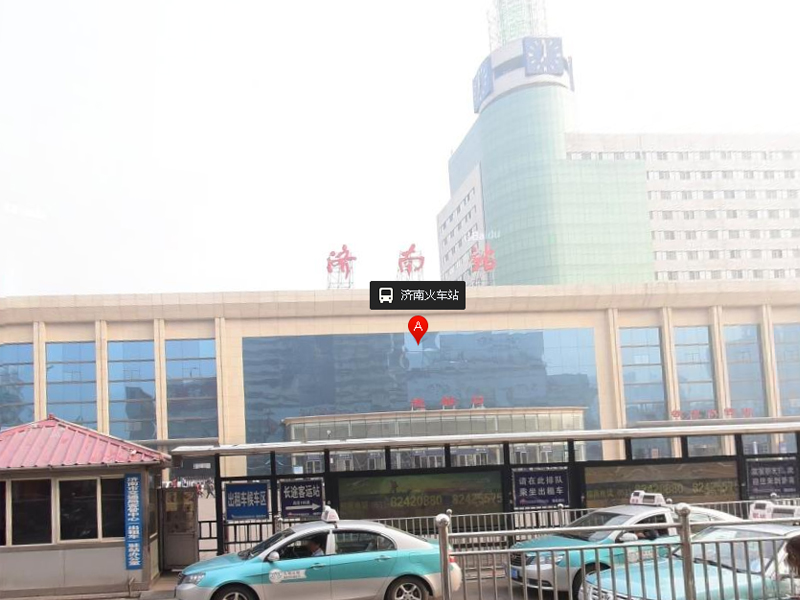 濟南火車站
濟南火車站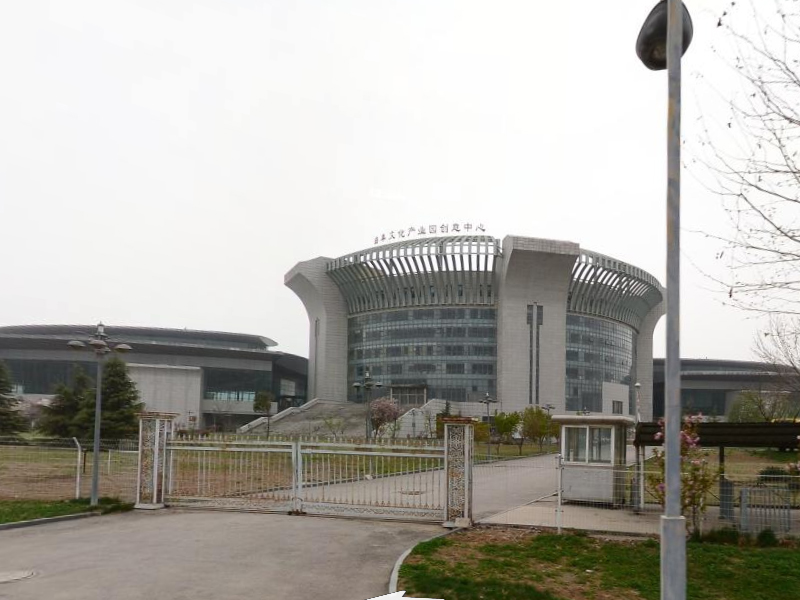 曲阜孔子文化會展中心
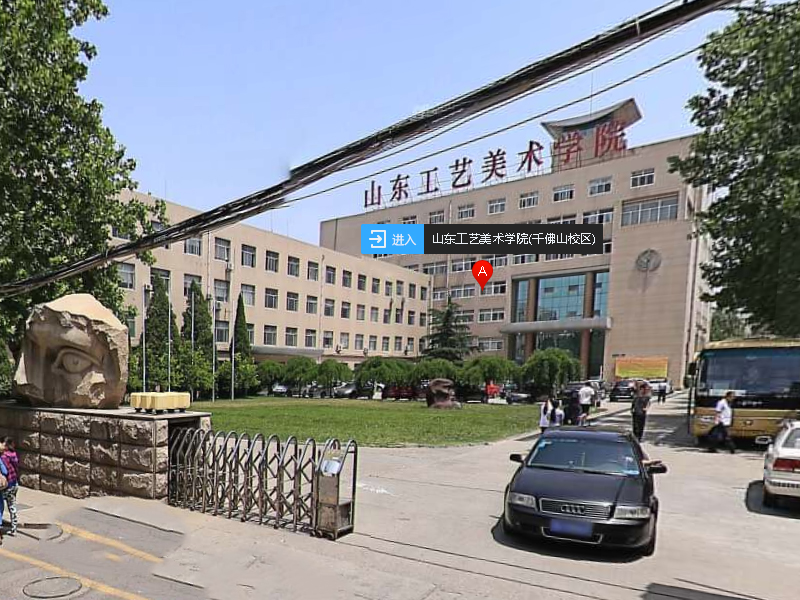 山東工藝美院
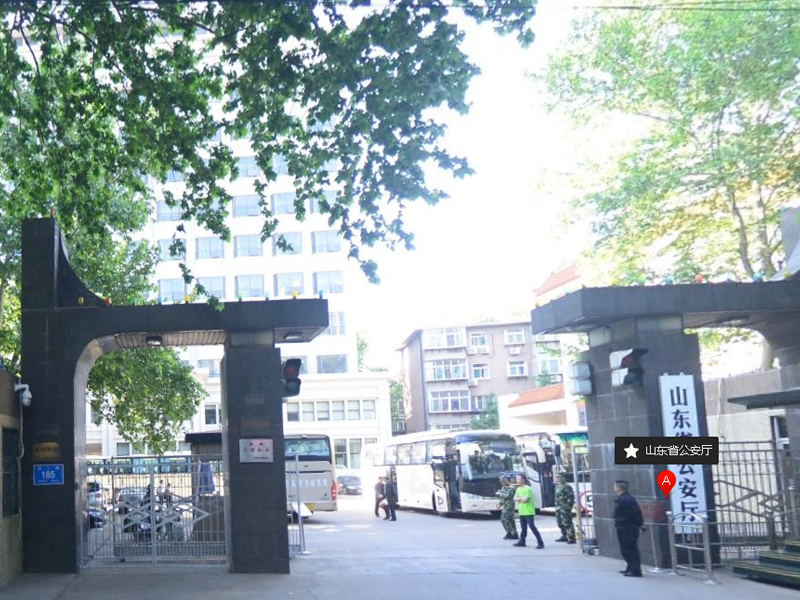 公安廳服務展示
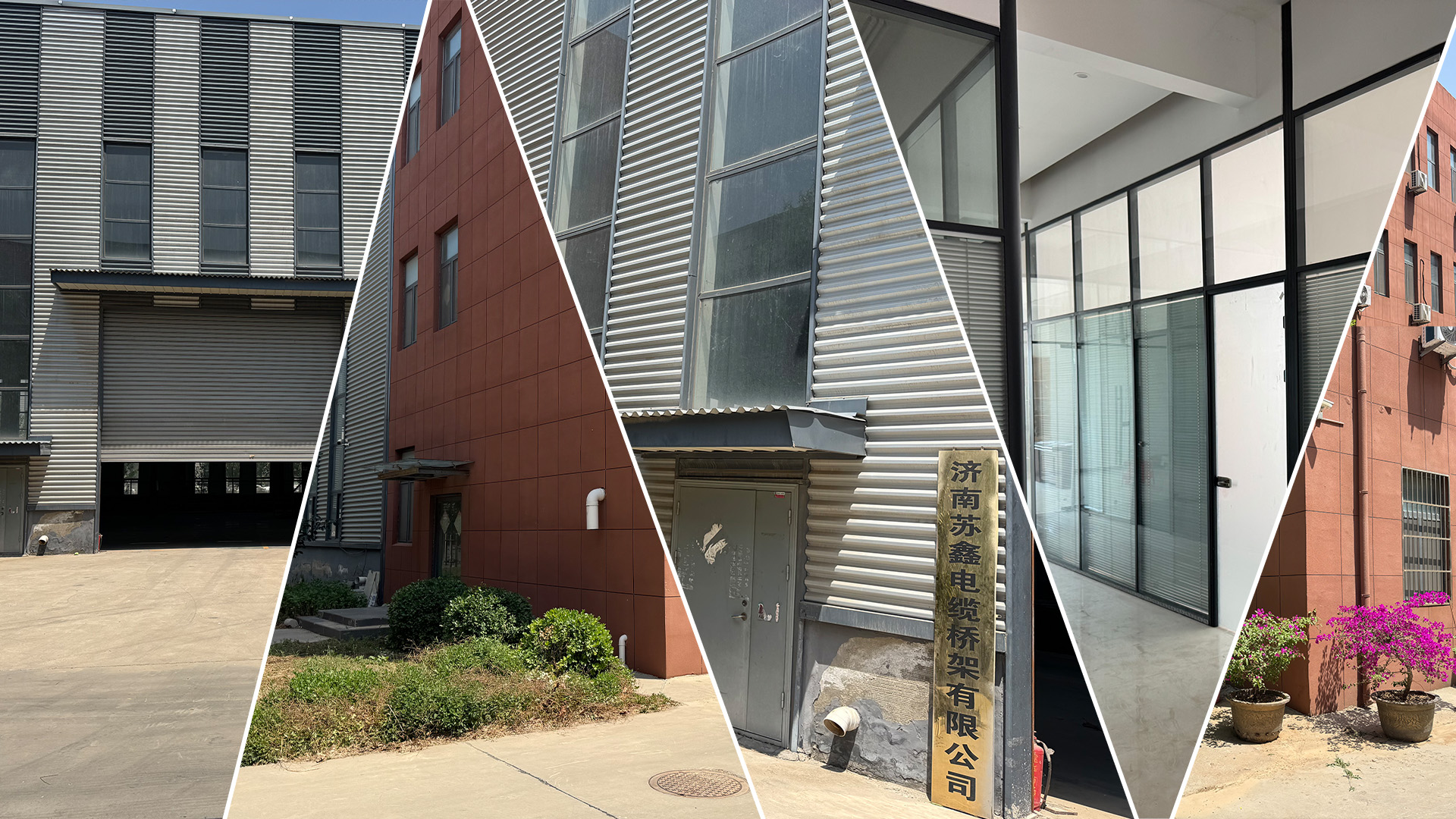 梯式橋架:工業動力的“呼吸”骨架