濟南蘇鑫電纜橋架有限公司
客戶咨詢熱線
0531-85767688
售后熱線:15668327566
聯系基地:山東省 德州市協同發展產業園D06幢
文章來源:http://m.ymmgjx.net/?? 作者:電纜橋架廠家發布時間:2025-07-23?瀏覽次數:1
濟南電纜橋架作為電氣布線系統的關鍵組成部分,在建筑、工業廠區、市政工程等場景中廣泛應用。它通過標準化的結構設計,為電纜提供支撐、保護與敷設通道,不同類型的橋架適配不同的安裝環境與電纜特性,同時解決了電纜敷設中的安全、管理與維護難題,保障電氣系統穩定運行。
Jinan cable tray, as a key component of electrical wiring system, is widely used in buildings, industrial plants, municipal engineering and other scenarios. It provides support, protection, and laying channels for cables through standardized structural design. Different types of cable trays are adapted to different installation environments and cable characteristics, while solving safety, management, and maintenance problems in cable laying, ensuring stable operation of the electrical system.
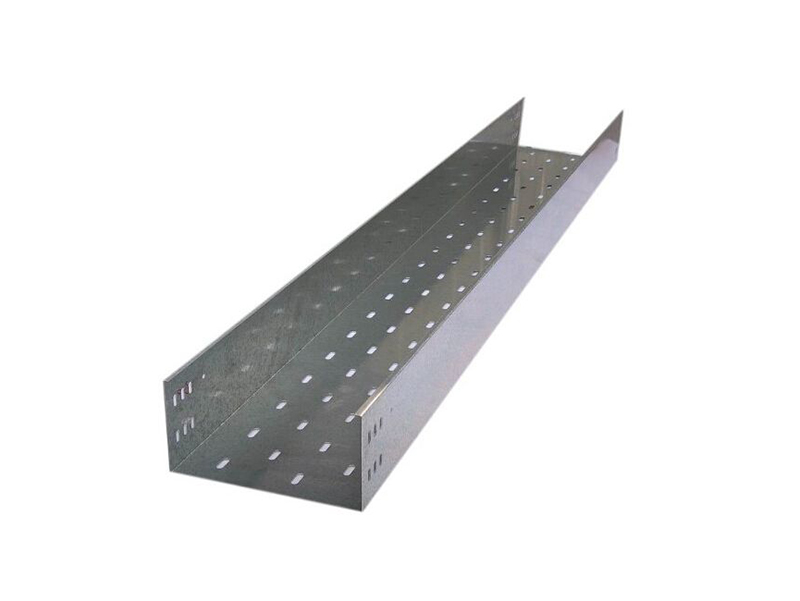
電纜橋架的類型豐富多樣,按結構形式可分為槽式、托盤式、梯式和網格式,各自具備獨特的適用場景。槽式橋架是全封閉結構,由底板和兩側擋板組成,能有效阻擋灰塵、水汽和外部機械損傷,適合敷設控制電纜、通信電纜等對防護要求高的線纜,尤其在潮濕(如地下車庫)、多塵(如水泥廠車間)環境中優勢明顯,其封閉性還能減少電磁干擾,保障弱電信號傳輸穩定。托盤式橋架為半封閉結構,底板帶有均勻分布的散熱孔,兩側擋板高度低于槽式橋架,兼具防護性與散熱性,適合敷設動力電纜(如低壓電力電纜),散熱孔能加速電纜運行時的熱量散發,避免因高溫導致絕緣層老化,常用于廠房車間、辦公樓的電纜豎井內。梯式橋架由兩側縱梁和中間橫檔組成,形似梯子,結構輕便且散熱性能優異,橫檔間距通常為 200-300 毫米,便于電纜固定,適合敷設大直徑、大截面的電力電纜(如高壓電纜),在戶外架空或高空敷設場景中應用廣泛,其開放式結構也便于后期電纜檢修與擴容。網格式橋架采用金屬網格焊接而成,重量輕、透氣性好,能顯著減少風阻和灰塵堆積,適合數據中心、通信機房等對散熱和輕量化要求高的場所,同時網格結構便于觀察電纜運行狀態,降低故障排查難度。
There are various types of cable trays, which can be divided into trough, tray, ladder, and mesh formats according to their structural forms, each with unique applicable scenarios. The trough type bridge is a fully enclosed structure consisting of a bottom plate and two side baffles, which can effectively block dust, water vapor, and external mechanical damage. It is suitable for laying control cables, communication cables, and other cables with high protection requirements, especially in humid (such as underground garages) and dusty (such as cement plant workshops) environments. Its enclosure can also reduce electromagnetic interference and ensure stable transmission of weak current signals. The tray type cable tray is a semi enclosed structure with uniformly distributed heat dissipation holes on the bottom plate. The height of the baffles on both sides is lower than that of the trough type cable tray, which combines protection and heat dissipation. It is suitable for laying power cables (such as low-voltage power cables). The heat dissipation holes can accelerate the heat dissipation during cable operation, avoiding insulation layer aging caused by high temperature. It is commonly used in cable shafts in factory workshops and office buildings. The ladder style bridge is composed of two side longitudinal beams and a middle crossbar, resembling a ladder. It has a lightweight structure and excellent heat dissipation performance. The spacing between the crossbars is usually 200-300 millimeters, which is convenient for cable fixation and suitable for laying large-diameter and large section power cables (such as high-voltage cables). It is widely used in outdoor overhead or high-altitude laying scenarios, and its open structure is also convenient for later cable maintenance and expansion. The grid format cable tray is welded with metal grids, which is lightweight and has good breathability. It can significantly reduce wind resistance and dust accumulation, making it suitable for places with high requirements for heat dissipation and lightweight such as data centers and communication rooms. At the same time, the grid structure is easy to observe the operation status of cables, reducing the difficulty of troubleshooting.
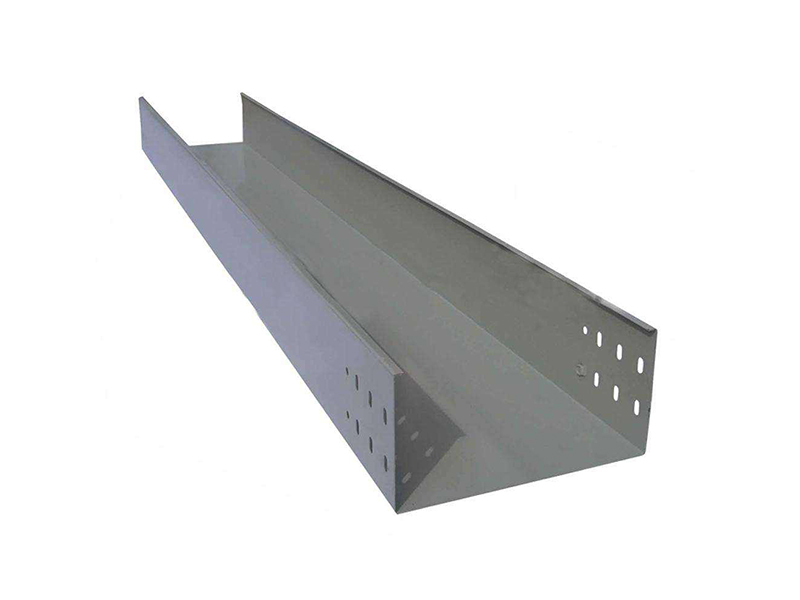
按材質劃分,濟南電纜橋架可分為鋼制、鋁合金和玻璃鋼等類型,適應不同的環境特性。鋼制橋架是非常常用的類型,采用冷軋鋼板焊接或成型,表面經鍍鋅、噴涂等防腐處理,強度高、承載能力強,適合一般干燥環境(如辦公樓、商場),鍍鋅鋼制橋架還可用于潮濕環境(如地下室),成本適中且性價比高。鋁合金橋架由鋁合金型材加工而成,重量僅為鋼制橋架的 1/3,抗腐蝕性能優異,尤其適合潮濕、多霧的戶外環境(如濟南的雨季或靠近河流的廠區),表面經陽出色氧化處理后,能抵御紫外線和酸雨侵蝕,使用壽命是普通鋼制橋架的 2-3 倍。玻璃鋼橋架以玻璃纖維和樹脂為原料復合而成,具有出色的耐酸堿腐蝕能力,能適應化工車間、污水處理廠等強腐蝕環境,同時絕緣性能好,可避免電纜與橋架間的電化學腐蝕,但其承載能力低于金屬橋架,適合敷設輕型電纜。
According to material classification, Jinan cable trays can be divided into types such as steel, aluminum alloy, and fiberglass to adapt to different environmental characteristics. Steel cable trays are the most commonly used type, welded or formed from cold-rolled steel plates, and treated with anti-corrosion treatments such as galvanizing and spraying on the surface. They have high strength and strong bearing capacity, and are suitable for general dry environments (such as office buildings and shopping malls). Galvanized steel cable trays can also be used in humid environments (such as basements), with moderate cost and high cost-effectiveness. Aluminum alloy cable trays are processed from aluminum alloy profiles and weigh only one-third of steel cable trays. They have excellent corrosion resistance and are particularly suitable for humid and foggy outdoor environments (such as the rainy season in Jinan or factory areas near rivers). After surface anodizing treatment, they can resist UV and acid rain erosion, and their service life is 2-3 times that of ordinary steel cable trays. Fiberglass cable tray is made of composite materials of glass fiber and resin, and has strong acid and alkali corrosion resistance. It can adapt to strong corrosive environments such as chemical workshops and sewage treatment plants. At the same time, it has good insulation performance, which can avoid electrochemical corrosion between cables and cable trays. However, its bearing capacity is lower than that of metal cable trays, making it suitable for laying lightweight cables.
電纜橋架首要解決的是電纜敷設的安全防護問題。在建筑和工業環境中,電纜直接暴露敷設易受機械損傷(如被重物擠壓、尖銳物體劃傷),導致絕緣層破損引發短路、漏電事故,橋架通過封閉或半封閉結構將電纜集中保護,避免外部沖擊對電纜的傷害。對于戶外或潮濕環境,橋架能阻擋雨水、水汽直接接觸電纜,減少絕緣層老化速度,尤其在濟南夏季多雨、冬季多霧的氣候條件下,降低因受潮導致的線路故障風險。此外,橋架將電纜與其他管線(如水管、燃氣管)物理隔離,避免不同管線之間的干擾或意外接觸(如水管泄漏浸泡電纜),從空間布局上保障電氣系統安全。
The primary concern of cable trays is the safety protection of cable laying. In building and industrial environments, direct exposure and laying of cables are susceptible to mechanical damage (such as being squeezed by heavy objects or scratched by sharp objects), which can cause insulation layer damage and lead to short circuits and leakage accidents. Cable trays protect cables through enclosed or semi enclosed structures to avoid damage from external impacts. For outdoor or humid environments, cable trays can prevent rainwater and moisture from directly contacting the cables, reducing the aging rate of the insulation layer, especially in Jinan's rainy summer and foggy winter climate conditions, reducing the risk of line failures caused by moisture. In addition, cable trays physically isolate cables from other pipelines (such as water pipes and gas pipes) to avoid interference or accidental contact between different pipelines (such as water pipe leakage soaking cables), ensuring electrical system safety from a spatial layout perspective.
電纜橋架能有效解決線纜管理混亂的問題,提升布線規范性與空間利用率。在大型建筑或工業廠區,電氣系統往往包含成百上千根電纜,若隨意敷設(如沿地面拖拽、無序懸掛),會導致線纜纏繞、交叉,不僅占用大量空間,還會給后期檢修帶來出色大困難。橋架通過標準化的尺寸設計(如寬度 100-800 毫米、高度 50-200 毫米),將電纜按功能分類敷設(如動力電纜、控制電纜分槽敷設),不同回路的電纜有序排列,標識清晰,便于快速識別和查找目標電纜。同時,橋架可沿墻面、天花板、地面等多路徑敷設,適應復雜的空間結構,在高層建筑的豎井、地下室的夾層等狹小空間中,能充分利用垂直和水平空間,減少對地面和作業區域的占用,為其他施工或設備安裝預留空間。
Cable trays can effectively solve the problem of chaotic cable management, improve wiring standardization and space utilization. In large buildings or industrial plants, electrical systems often contain hundreds or thousands of cables. If laid randomly (such as dragging along the ground or hanging in disorder), it can lead to cable entanglement and crossing, which not only occupies a lot of space but also poses great difficulties for later maintenance. The cable tray is designed with standardized dimensions (such as width of 100-800 millimeters and height of 50-200 millimeters), and the cables are classified and laid according to their functions (such as power cables and control cables laid in separate slots). The cables of different circuits are arranged in an orderly manner with clear markings, making it easy to quickly identify and locate the target cables. At the same time, cable trays can be laid along multiple paths such as walls, ceilings, and floors, adapting to complex spatial structures. In narrow spaces such as vertical shafts and underground mezzanines in high-rise buildings, vertical and horizontal spaces can be fully utilized, reducing the occupation of the ground and work areas, and reserving space for other construction or equipment installation.
本文由濟南電纜橋架友情奉獻.更多有關的知識請點擊:http://m.ymmgjx.net我們將會對您提出的疑問進行詳細的解答,歡迎您登錄網站留言.
This article is a friendly contribution from Shandong Cable Bridge For more information, please click: http://m.ymmgjx.net We will provide detailed answers to your questions. You are welcome to log in to our website and leave a message
 濟南火車站
濟南火車站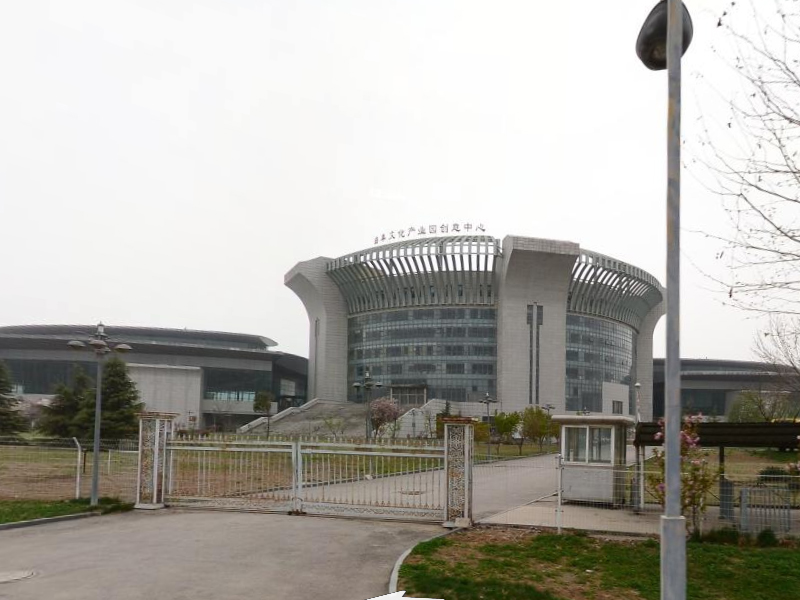 曲阜孔子文化會展中心
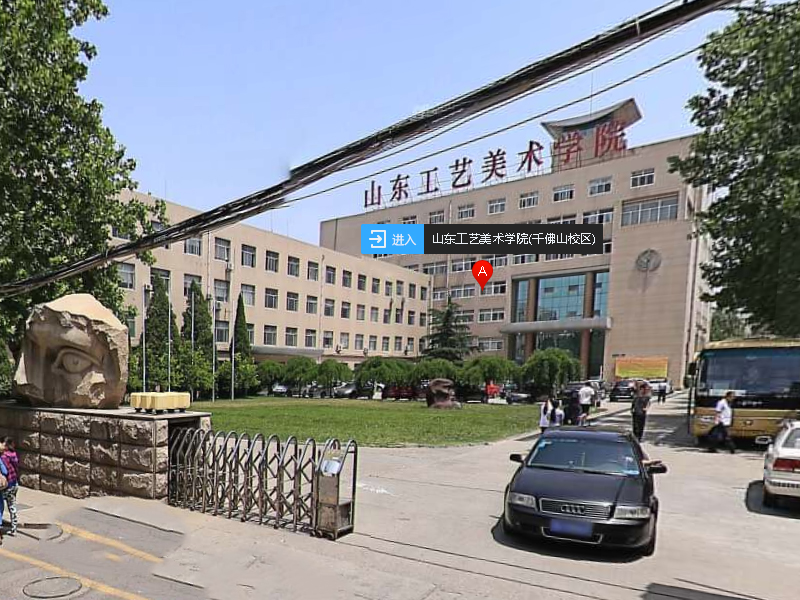 山東工藝美院
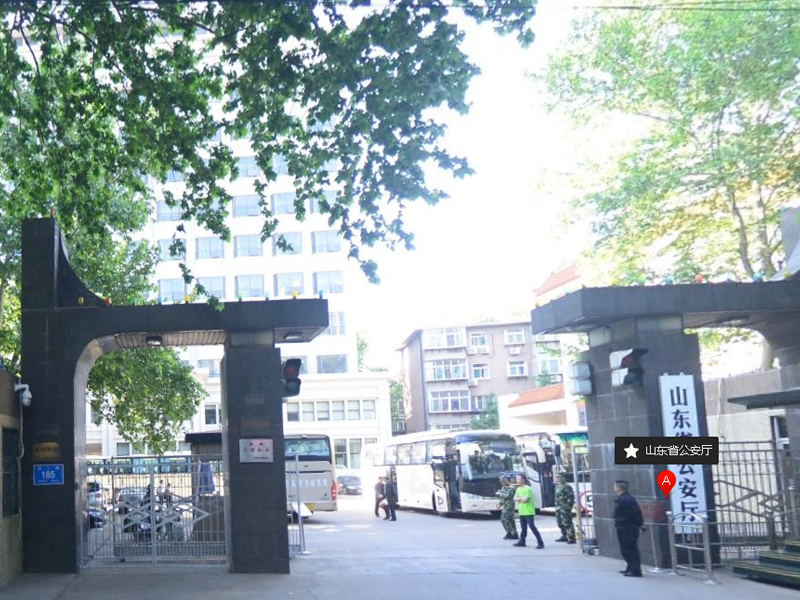 公安廳服務展示
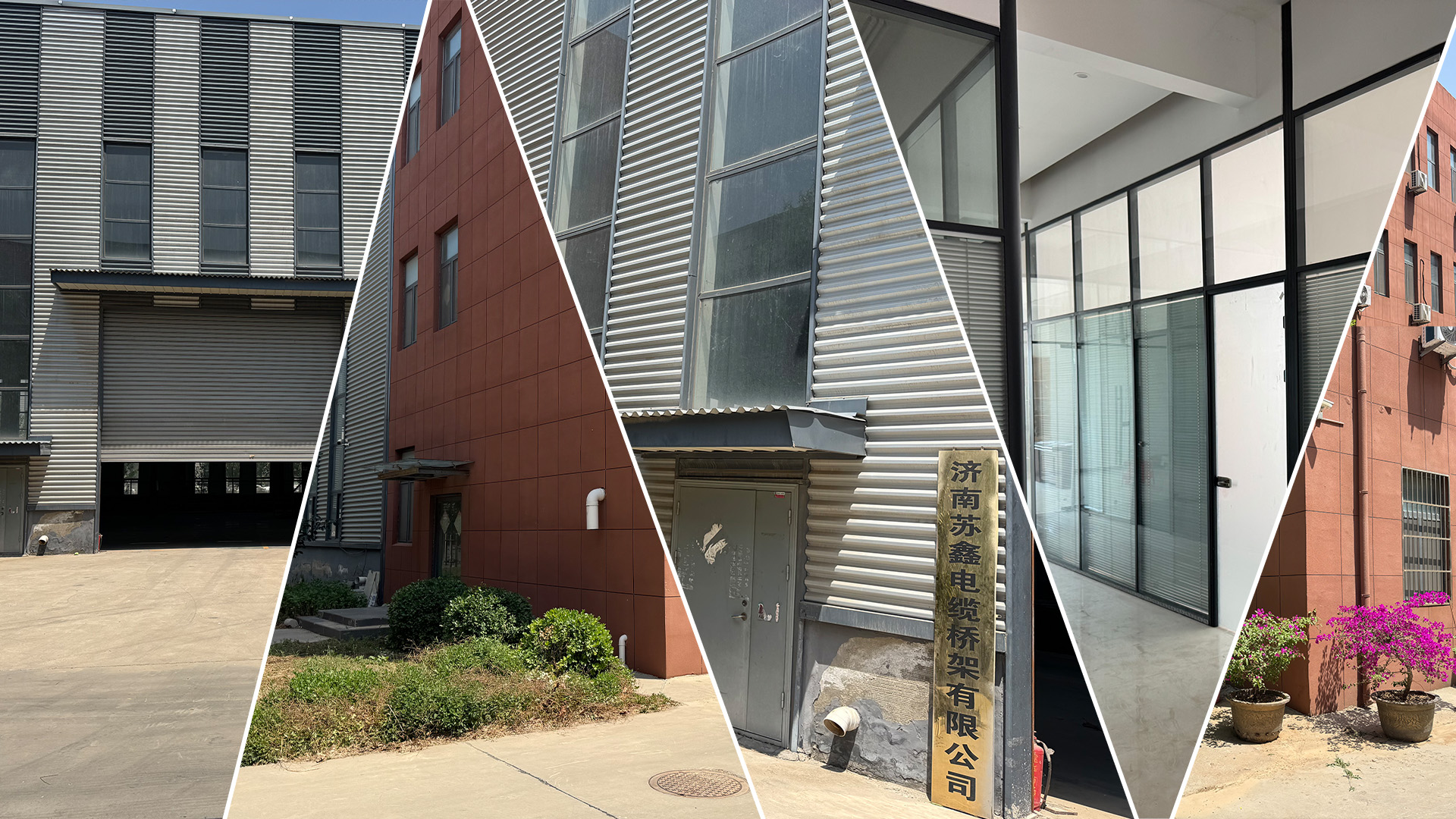 梯式橋架:工業動力的“呼吸”骨架
在建筑電氣與工業廠房的龐大系統中,電纜橋架猶如人體的血管,負責輸送持續供應的動力與信號。而在眾多橋架類型中,梯式橋架憑借其獨特的結構設計,成為了大截面動力電纜的絕佳載體。In the vast sys
TIME:2026-06-22
本網站部分內容來源于網絡,如有侵權請告知!我們立即刪除;本網站嚴格遵循國家相關法律法規規定,如有不當之處,請告知!我們立即刪除。
網站備案:魯ICP備2022033215號
濟南蘇鑫電纜橋架有限公司