歡迎您光臨濟南蘇鑫電纜橋架有限公司網(wǎng)站!
濟南蘇鑫電纜橋架有限公司
客戶咨詢熱線
0531-85767688
售后熱線:15668327566
聯(lián)系基地:山東省 德州市協(xié)同發(fā)展產(chǎn)業(yè)園D06幢
文章來源:http://m.ymmgjx.net/?? 作者:電纜橋架廠家發(fā)布時間:2025-12-06?瀏覽次數(shù):1
在弱電工程中,電纜橋架是布線系統(tǒng)的核心載體,其選型與安裝直接影響線路安全與系統(tǒng)穩(wěn)定性。以下從常用類型、性能差異、安裝規(guī)范、材質(zhì)選型及荷載要求等方面進行系統(tǒng)解析。
In weak current engineering, cable tray is the core carrier of the wiring system, and its selection and installation directly affect the safety of the line and the stability of the system. The following provides a systematic analysis of common types, performance differences, installation specifications, material selection, and load requirements.
常用電纜橋架類型及核心特性
Common cable tray types and core characteristics
弱電工程中應用非常廣泛的電纜橋架主要包括槽式橋架、托盤式橋架、鋁合金橋架和網(wǎng)格式橋架四類。其中槽式、托盤式與梯架同屬傳統(tǒng)橋架體系,三者因結(jié)構(gòu)差異呈現(xiàn)不同性能特點。
The most widely used cable trays in weak current engineering mainly include trough trays, tray trays, aluminum alloy trays, and grid trays. Among them, trough type, tray type, and ladder type belong to the traditional bridge system, and they exhibit different performance characteristics due to structural differences.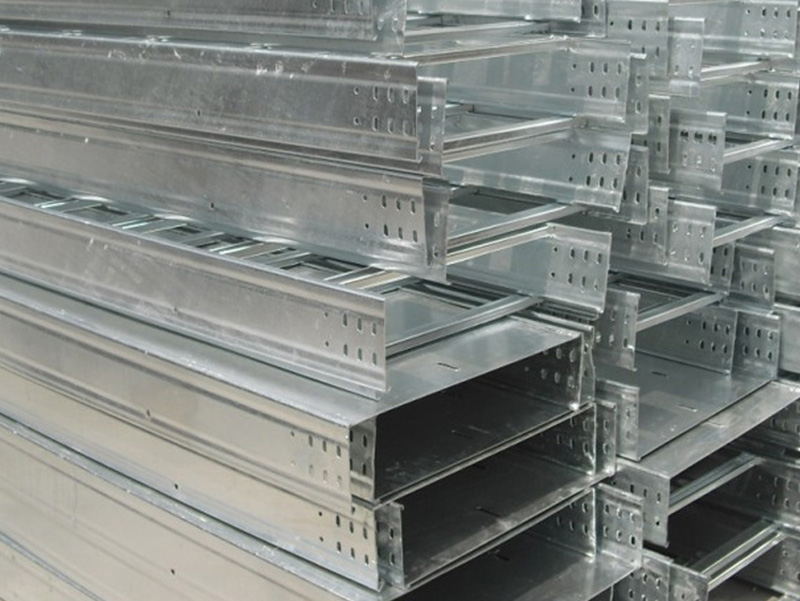
托盤式橋架
tray-type cable bridge
(一)槽式電纜橋架
(1) Slotted cable tray
結(jié)構(gòu)特點:全封閉型槽盒結(jié)構(gòu),無開孔設計,防護性更強。
Structural features: Fully enclosed slot box structure, no opening design, stronger protection.
核心優(yōu)勢:具備優(yōu)異的屏蔽抗干擾能力和防腐性能,防火性突出。
Core advantage: It has excellent shielding and anti-interference capabilities, anti-corrosion performance, and outstanding fire resistance.
適用場景:專為敷設截面小、數(shù)量多的電線電纜設計,尤其適用于控制電纜屏蔽干擾需求高或重腐蝕環(huán)境(如化工、沿海區(qū)域)。
Applicable scenarios: Designed specifically for laying wires and cables with small cross-sections and large quantities, especially suitable for controlling cable shielding interference requirements or heavily corrosive environments (such as chemical and coastal areas).
(二)托盤式電纜橋架
(2) Tray type cable tray
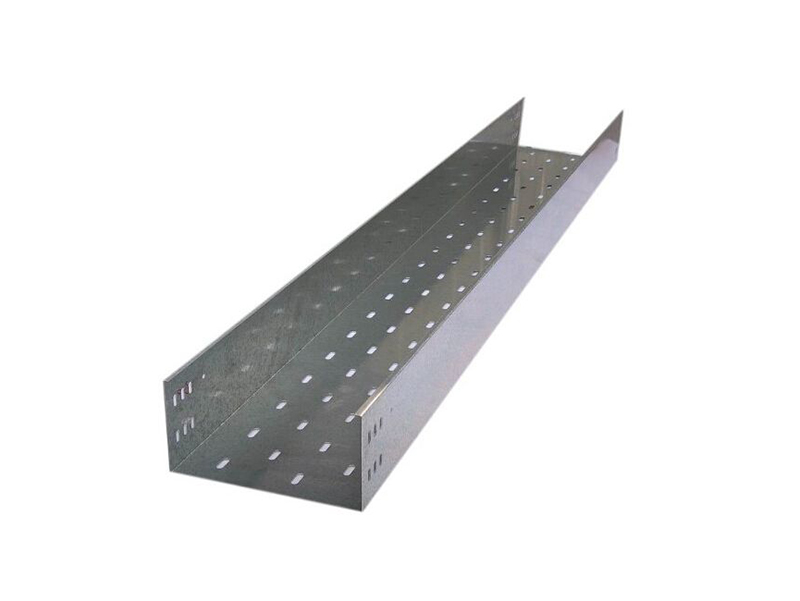
結(jié)構(gòu)特點:屬半開放型橋架,底部設有腰形散熱孔,因開孔設計需采用更厚板材增強承重。
Structural features: It belongs to a semi open bridge structure, with waist shaped heat dissipation holes at the bottom. Due to the hole design, thicker plates are required to enhance the load-bearing capacity.
核心優(yōu)勢:載荷能力大,通風散熱性優(yōu)異,安裝便捷。
Core advantages: High load capacity, excellent ventilation and heat dissipation, easy installation.
適用場景:主要用于敷設截面大、數(shù)量少的電力電纜,適合對散熱要求較高的配電線路。
Applicable scenarios: Mainly used for laying power cables with large cross-sections and small quantities, suitable for distribution lines with high heat dissipation requirements.
(三)槽式與托盤式橋架的核心差異
(3) The core difference between trough type and tray type cable trays
(四)鋁合金橋架
(4) Aluminum alloy bridge frame
結(jié)構(gòu)特點:外觀簡潔、自重輕(較鋼制橋架更輕便),結(jié)構(gòu)強度高。
Structural features: simple appearance, light weight (lighter than steel bridge), high structural strength.
核心優(yōu)勢:表面經(jīng)陽出色氧化處理后,抗腐蝕、抗電磁干擾(尤其屏蔽干擾)性能突出,為鋼制橋架所不可替代。
Core advantage: After surface anodizing treatment, it has outstanding corrosion resistance and electromagnetic interference resistance (especially shielding interference) performance, which cannot be replaced by steel bridge frames.
適用場景:適用于對輕量化、抗干擾要求高的場所,但不適用于防火等級要求高的工程,且成本顯著高于鋼制橋架。
Applicable scenarios: Suitable for places with high requirements for lightweight and anti-interference, but not suitable for projects with high fire rating requirements, and the cost is significantly higher than that of steel cable trays.
(五)網(wǎng)格式橋架
(5) Network format bridge
別名與來源:又稱金屬網(wǎng)格式橋架、開放式橋架,源自歐洲的橋架創(chuàng)新設計。
Alias and source: also known as metal mesh bridge or open bridge, originating from innovative bridge design in Europe.
結(jié)構(gòu)特點:開放式網(wǎng)格結(jié)構(gòu),自重僅為傳統(tǒng)橋架的 1/5,安裝效率提升 2/3。
Structural features: Open grid structure, with a self weight of only 1/5 of traditional cable trays, and an installation efficiency improvement of 2/3.
核心優(yōu)勢:系統(tǒng)升級與維護靈活性高,支持上下走線自由調(diào)整;散熱性優(yōu)異,延長線纜使用壽命;布線環(huán)境更清潔美觀,減少二次投資成本。
Core advantage: High flexibility in system upgrade and maintenance, supporting free adjustment of up and down wiring; Excellent heat dissipation, extending the service life of cables; The wiring environment is cleaner and more aesthetically pleasing, reducing secondary investment costs.
限制與適用場景:不適用于室外、腐蝕性空氣或飛濺液體環(huán)境,主要用于高集成數(shù)據(jù)機房、無塵車間、設備內(nèi)外通信及電氣線路等場景。
Limitations and Applicable Scenarios: Not suitable for outdoor, corrosive air or splashing liquid environments, mainly used in highly integrated data centers, clean rooms, communication inside and outside equipment, and electrical circuits.
纜橋架安裝關(guān)鍵技術(shù)規(guī)范
Key technical specifications for cable tray installation
(一)接地與跨接線要求
(1) Grounding and jumper wire requirements
跨接線連接細節(jié):需使用抓墊、平墊,或刮除噴塑橋架表面漆層后,用平墊 + 彈簧墊壓緊固定;
Details of jumper connection: It is necessary to use grab pads, flat pads, or scrape off the paint layer on the surface of the spray painted bridge, and then use flat pads and spring pads to press and fix it firmly;
嚴禁用連接螺栓直接固定跨接線,需單獨設置壓線裝置,確保墊片順序正確、螺栓外露長度合規(guī),并標注接地標識。
It is strictly prohibited to directly fix the jumper wire with connecting bolts. A separate crimping device must be set up to ensure the correct sequence of gaskets, compliant exposed length of bolts, and marked with grounding identification.
接地干線連接:金屬橋架及支架全長需不少于 2 處與接地(PE)或接零(PEN)干線連接;
Grounding main line connection: The total length of the metal bridge and bracket should be connected to the grounding (PE) or neutral (PEN) main line at no less than 2 places;
接地線非常小截面不小于 4mm?。
The minimum cross-sectional area of the grounding wire shall not be less than 4mm ?.
特殊接地要求:鍍鋅橋架連接板兩端可不跨接接地線,但需保證不少于 2 個帶防松螺帽或墊圈的固定螺栓(強標要求);
Special grounding requirements: The two ends of the galvanized bridge connecting plate may not be connected to the grounding wire, but it is necessary to ensure that there are no less than 2 fixing bolts with anti loosening nuts or washers (mandatory requirements);
支架接地需在與橋架連接處刮除漆層(或用抓墊)確保導電連通;支架與鋁合金橋架連接時,建議采取防電化腐蝕措施。
The bracket grounding needs to scrape off the paint layer (or use a scratch pad) at the connection with the bridge to ensure conductive connection; When connecting the bracket to the aluminum alloy bridge, measures must be taken to prevent electrochemical corrosion.
(二)安裝基礎規(guī)范
(2) Installation foundation specifications
整體要求:橫平豎直,彎頭過渡平緩;分層敷設時優(yōu)先采用組合架。
Overall requirements: Horizontal and vertical alignment, smooth transition of bends; When laying in layers, priority should be given to using composite frames.
螺母朝向:連接螺母需位于橋架外側(cè)。
Nut orientation: The connecting nut should be located on the outside of the bridge.
轉(zhuǎn)彎處理:轉(zhuǎn)彎處需增設支架,確保受力穩(wěn)定。
Turning treatment: A bracket needs to be added at the turning point to ensure stable force distribution.
大型橋架特殊要求:配電室等場景的大型橋架應采用可調(diào)式組合支架;大型工程中橋架彎曲度需保持一致。
Special requirements for large cable trays: Adjustable combination brackets should be used for large cable trays in scenarios such as distribution rooms; The curvature of cable trays in large-scale projects needs to be consistent.
(三)防火與伸縮裝置要求
(3) Requirements for Fire Protection and Expansion Devices
防火措施:橋架內(nèi)部需增設防火封堵或防火包,阻斷火勢蔓延。
Fire prevention measures: Fireproof sealing or fireproof packaging should be added inside the bridge to block the spread of fire.
伸縮節(jié)設置:鋼制橋架每 30 米、鋁合金及塑料橋架每 15 米需加裝伸縮節(jié);穿越建筑物變形縫(伸縮縫、沉降縫)處建議設置補償裝置。
Expansion joint setting: Expansion joints need to be installed every 30 meters for steel cable trays and every 15 meters for aluminum alloy and plastic cable trays; Compensation devices must be installed at the deformation joints (expansion joints, settlement joints) crossing buildings.
(四)支架設置標準
(4) Bracket setting standards
間距要求:水平敷設支架間距為 1.5-3 米,垂直敷設為 2 米 / 個;
Spacing requirements: The spacing between horizontal laying brackets is 1.5-3 meters, and for vertical laying it is 2 meters per bracket;
轉(zhuǎn)彎處加強:轉(zhuǎn)彎節(jié)點需增設支架,確保橋架穩(wěn)定;
Strengthening at turning points: additional brackets need to be added at turning nodes to ensure the stability of the bridge structure;
大型橋架支架:配電室等場景的大型橋架應采用可調(diào)式組合支架,保證承重均勻。
Large cable tray supports: Adjustable combination supports should be used for large cable trays in scenarios such as distribution rooms to ensure even load-bearing capacity.
橋架材質(zhì)差異及選型要點
Differences in Bridge Materials and Key Selection Points
(一)鍍鋅橋架 vs 熱鍍鋅橋架
(1) Galvanized bridge frame vs hot-dip galvanized bridge frame
項目鍍鋅橋架(冷鍍鋅)熱鍍鋅橋架工藝差異電鍍鋅處理,鋅層薄(外觀光亮)熱浸鋅處理,鋅層厚(鍍層均勻)性能特點抗銹蝕能力較弱,壽命較短抗侵蝕、硬度、耐沖擊性更優(yōu),壽命更長成本與應用成本低,為工程常規(guī)選擇(默認鍍鋅橋架)成本高,僅用于高要求場景(需定制生產(chǎn))
Project galvanized bridge (cold galvanizing) hot-dip galvanized bridge process difference: galvanizing treatment, thin zinc layer (bright appearance) hot-dip galvanizing treatment, thick zinc layer (uniform coating) performance characteristics: weak corrosion resistance, short service life, better corrosion resistance, hardness, impact resistance, longer service life, low application cost, and is a common choice for engineering (default galvanized bridge) with high cost, only used in high demand scenarios (customized production required)
(二)材質(zhì)選型核心原則
(2) Core principles for material selection
重腐蝕環(huán)境優(yōu)先選槽式橋架 + 熱鍍鋅處理或鋁合金橋架;
Priority should be given to using trough type cable trays with hot-dip galvanizing treatment or aluminum alloy cable trays in heavily corrosive environments;
高集成散熱需求場景(如數(shù)據(jù)機房)選網(wǎng)格式橋架;
Select network format cable trays for high integration heat dissipation demand scenarios (such as data centers);
輕量化、抗干擾需求場景選鋁合金橋架(需妥協(xié)防火性能);
Choose aluminum alloy cable tray for lightweight and anti-interference demand scenarios (compromise fire performance);
常規(guī)弱電布線選槽式或托盤式橋架(根據(jù)線纜截面與數(shù)量匹配)。
Conventional weak current wiring should be selected as slot type or tray type cable trays (matching according to cable cross-section and quantity).
荷載等級與規(guī)格選擇原則
Principles for selecting load levels and specifications
(一)荷載要求
(1) Load requirements
電纜橋架工作均布荷載不得超過所選型號的額定荷載;若支吊架實際跨距≠2 米,需重新核算荷載是否達標。組件及支吊架規(guī)格需與橋架直線段、彎通系列匹配。
The uniformly distributed load of cable tray work shall not exceed the rated load of the selected model; If the actual span of the support hanger is ≠ 2 meters, it is necessary to re calculate whether the load meets the standard. The specifications of components and support hangers should match the straight sections and bending series of the bridge.
(二)規(guī)格選擇規(guī)范
(2) Specification selection criteria
根據(jù)《民用建筑電氣設計規(guī)范》(JGJ16-2008)8.10.7 條規(guī)定:
According to Article 8.10.7 of the "Code for Electrical Design of Civil Buildings" (JGJ16-2008):
電力電纜總截面積與托盤內(nèi)橫斷面積比≤40%;
The ratio of the total cross-sectional area of power cables to the cross-sectional area inside the tray is ≤ 40%;
控制電纜總截面積與托盤內(nèi)橫斷面積比≤50%。
Control the ratio of the total cross-sectional area of the cable to the cross-sectional area inside the tray to be ≤ 50%.
選型時需避免 “偏大浪費” 或 “偏小過載”,嚴格按線纜總截面核算橋架尺寸。
When selecting, it is necessary to avoid "excessive waste" or "excessive overload", and strictly calculate the size of the cable tray according to the total cross-sectional area of the cable.
通過以上解析,可根據(jù)工程環(huán)境、線纜特性及規(guī)范要求,科學選擇電纜橋架類型并規(guī)范安裝,確保弱電
Based on the above analysis, it is possible to scientifically select the type of cable tray and install it in a standardized manner according to the engineering environment, cable characteristics, and regulatory requirements to ensure weak current
本文由 濟南電纜橋架 友情奉獻.更多有關(guān)的知識請點擊 http://m.ymmgjx.net/ 真誠的態(tài)度.為您提供為多維度的服務.更多有關(guān)的知識我們將會陸續(xù)向大家奉獻.敬請期待.
This article is a friendly contribution from Jinan Cable Bridge For more related knowledge, please click http://m.ymmgjx.net/ Sincere attitude To provide you with comprehensive services We will gradually contribute more relevant knowledge to everyone Coming soon.
 濟南火車站
濟南火車站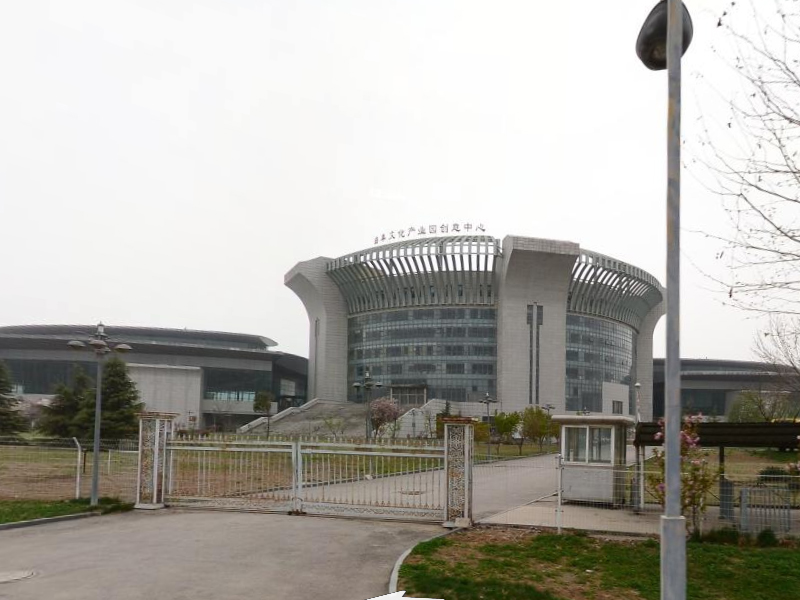 曲阜孔子文化會展中心
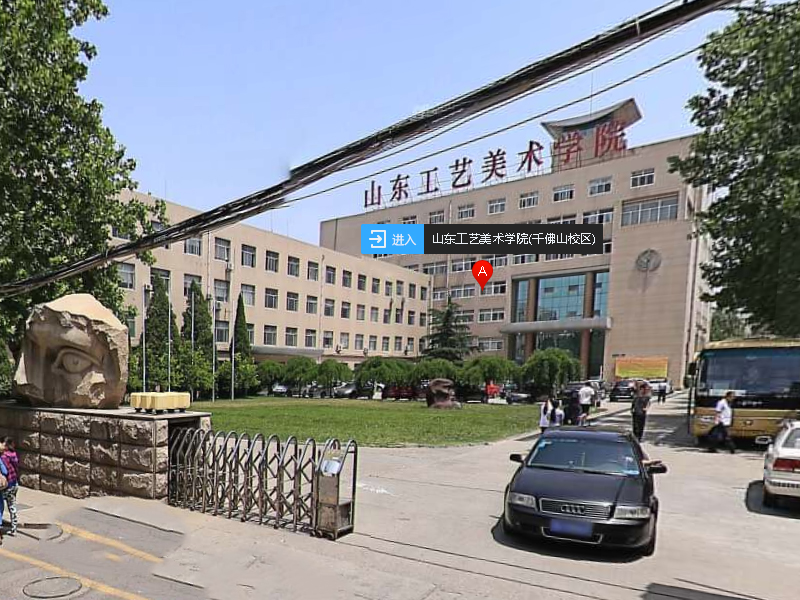 山東工藝美院
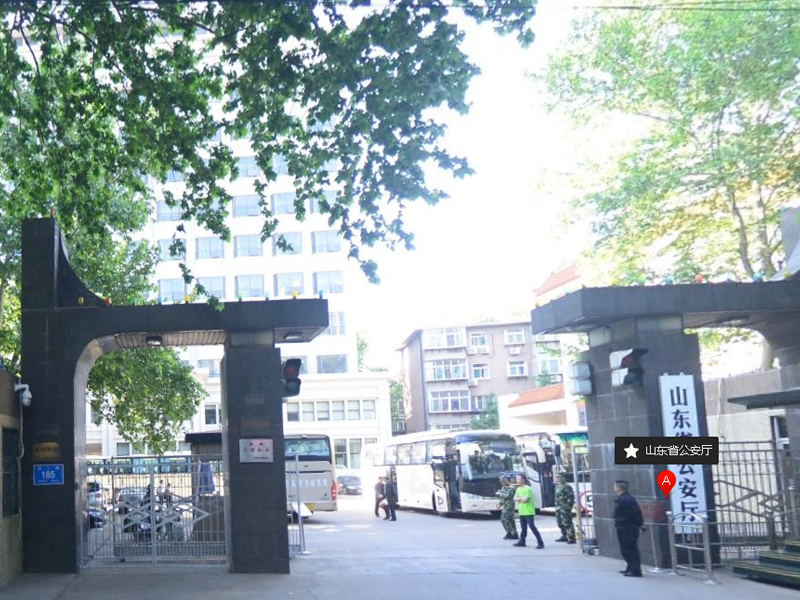 公安廳服務展示
 梯式橋架:工業(yè)動力的“呼吸”骨架
在建筑電氣與工業(yè)廠房的龐大系統(tǒng)中,電纜橋架猶如人體的血管,負責輸送持續(xù)供應的動力與信號。而在眾多橋架類型中,梯式橋架憑借其獨特的結(jié)構(gòu)設計,成為了大截面動力電纜的絕佳載體。In the vast sys
TIME:2026-06-22
服務熱線:0531-85767688
售后電話:15668327566
公司網(wǎng)址:http://m.ymmgjx.net/
聯(lián)系基地:山東省 德州市協(xié)同發(fā)展產(chǎn)業(yè)園D06幢
本網(wǎng)站部分內(nèi)容來源于網(wǎng)絡,如有侵權(quán)請告知!我們立即刪除;本網(wǎng)站嚴格遵循國家相關(guān)法律法規(guī)規(guī)定,如有不當之處,請告知!我們立即刪除。
網(wǎng)站備案:魯ICP備2022033215號
濟南蘇鑫電纜橋架有限公司