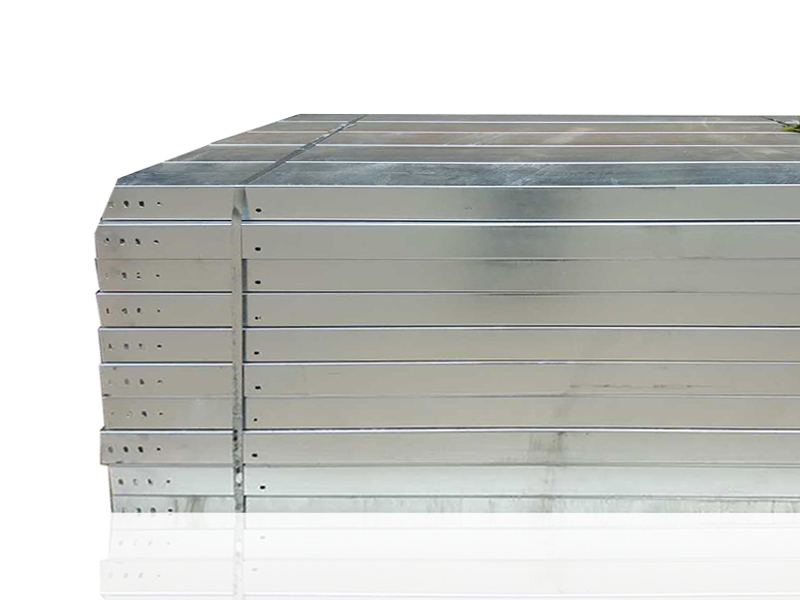
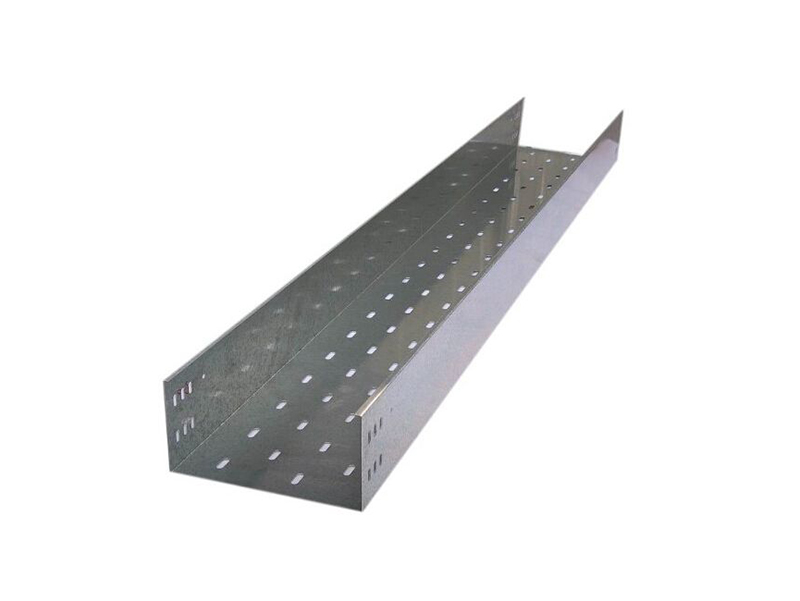
近年來,橋架已在有的工程中加以應用,具有美觀,重量輕、安裝方便等優點。那么您知道
山東電纜橋架設計的相應系統組成內容是怎樣的嗎?
In recent years, the bridge has been applied in some projects, with the advantages of beauty, light weight and convenient installation. Do you know what the corresponding system composition of Shandong cable bridge design is?
橋架結構
Bridge structure
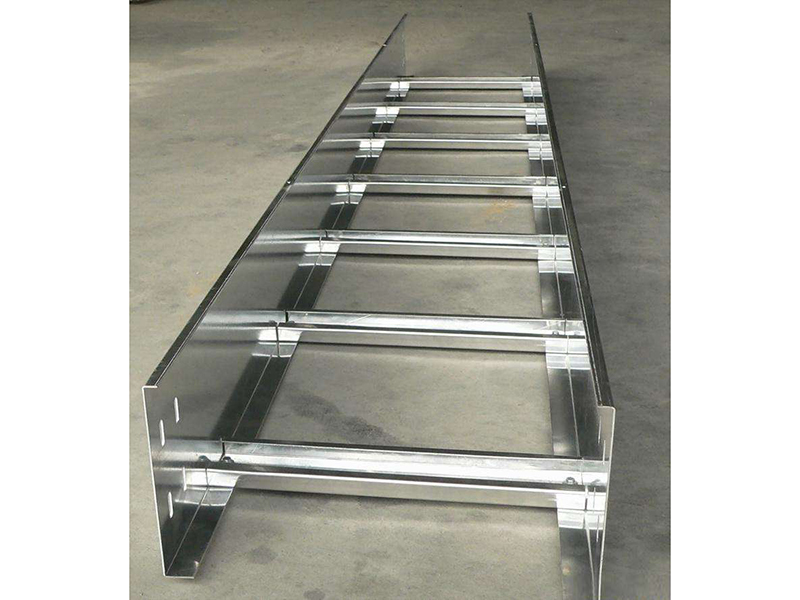
電纜橋架分為槽式、托盤式和梯架式等結構,由支架、托臂和安裝附件等組成。(參見圖1所示),選型時應注意橋架的所有零部件是否符合系列化、通用化、標準化的成套要求。
The cable tray is divided into trough type, tray type and ladder type structures, which are composed of brackets, brackets and installation accessories. (as shown in Fig. 1), during type selection, attention shall be paid to whether all parts of the bridge meet the requirements of serialization, generalization and standardization.
建筑物內橋架可以獨立假設,也可以附設在各種建(構)筑物和管廊支架上,應體現結構簡單,造型美觀、配置靈活和維修方便等特點,全部零件均需進行鍍鋅處理,安裝在建筑物外露天的橋架,如果是在鄰近海邊或屬于腐蝕區,則材質須具有防腐、耐潮氣、附著力好,耐沖擊強度高的物性特點。
The bridge in the building can be assumed independently or attached to various buildings (structures) and pipe gallery supports. It should reflect the characteristics of simple structure, beautiful appearance, flexible configuration and convenient maintenance. All parts should be galvanized. If the bridge is installed outside the building in the open air, if it is near the sea or belongs to the corrosion area, the material must have the physical characteristics of anti-corrosion, moisture resistance, good adhesion and high impact strength.
橋架的荷載
Load of bridge
電纜橋架的荷載分為荷載、動荷載和附加荷載。
The load of cable tray is divided into load, dynamic load and additional load.
靜荷載是指敷設在電纜橋架內的電纜種類、根數、每根的外徑重量/單位長度,按電纜敷設的不同路由分別列表統計。
Static load refers to the type and number of cables laid in the cable tray, and the outer diameter weight / unit length of each cable. It is listed and counted according to different routes of cable laying.
動荷載是指電纜橋架安裝和維護過程中施工維修人員的重量。對于輕型電纜橋架,一般不考慮動荷載,即不允許在橋架上站(行)人,如果需要考慮站人,則應將跨距適當縮小。附加荷載僅在室外是指冰雪、風和電磁力所形成的荷載,它與安裝場所的地區自然氣象條件和帶電體的性質有關,設計中應根據各種條件加以計算。
Dynamic load refers to the weight of construction and maintenance personnel during the installation and maintenance of cable tray. For light cable tray, dynamic load is generally not considered, that is, people are not allowed to stand (walk) on the tray. If people need to be considered, the span should be appropriately reduced. The additional load only refers to the load formed by ice, snow, wind and electromagnetic force. It is related to the natural meteorological conditions of the installation site and the nature of the charged body. It shall be calculated according to various conditions in the design.
選用橋架的步驟
To select a bridge
(1)確定橋架寬度、層數、支撐點的型式和間距、以及電纜在各層橋架上的分布。
(1) Determine the bridge width, number of layers, type and spacing of support points, and distribution of cables on each layer of bridge.
(2)計算每層電纜的均布荷載(kN/m2),初步確定橋架的型號、規格。
(2) Calculate the uniformly distributed load (KN / m2) of each layer of cable, and preliminarily determine the model and specification of the bridge.
(3)按大的電纜總均布荷載值來驗算橋架強度。驗算式如下:
(3) The bridge strength shall be checked and calculated according to the large total uniformly distributed load value of the cable. The checking formula is as follows:
Q使用=q1+q2
Q use = Q1 + Q2
式中:q1--電纜的均布荷載(各層的均布荷載中取大值)(kN/
Where: Q1 - uniformly distributed load of the cable (the greater of the uniformly distributed loads of each layer) (KN)/
m2),均布荷載是托盤、梯架或電纜槽的荷載;
M2), uniformly distributed load is the load of tray, ladder or cable tray;
q2--考慮電纜敷設或檢修時,人的重量等效的均布荷載(kN/
Q2 - uniform load (KN /) equivalent to the weight of people during cable laying or maintenance
m2),q2值的計算,人的重量一般按p=90kg計。
M2), Q2 value, and the weight of a person is generally calculated as P = 90kg.
表示集中荷載和均布荷載的彎距如圖2
Represents the bending distance of concentrated load and uniformly distributed load, as shown in Figure 2
按大彎距相等的條件折算:
Converted according to the condition of equal large bending distance:
令pι/4=q2ι2/8則q2=2p/ι
Let p ι/ 4=q2 ι 2 / 8, then Q2 = 2P/ ι
∵P=90kg
∵P=90kg
∴q2=180/ι
∴q2=180/ ι
式中:P--1人的荷載(kg)
Where: P -- load of 1 person (kg)
ι--1個支撐點間距(若支點間距不等時取大值)(m)
ι-- Spacing of one support point (if the spacing of support points is not equal, the larger value shall be taken) (m)
q2--1人的等效均布荷載(kg/m)
Q2 - equivalent uniformly distributed load of 1 person (kg / M)
根據上述初步確定的橋架型號、規格及支點間距,查閱生產廠家的樣本資料,反復核查間距和橋架型號,直至滿足負荷要求為止。更多相關內容就來我們網站
http://m.ymmgjx.net進行咨詢了解吧。
According to the above preliminarily determined bridge model, specification and fulcrum spacing, refer to the manufacturer's sample data, and repeatedly check the spacing and bridge model until the load requirements are met. For more information, please visit our website http://m.ymmgjx.net Consult and understand.
 濟南火車站
濟南火車站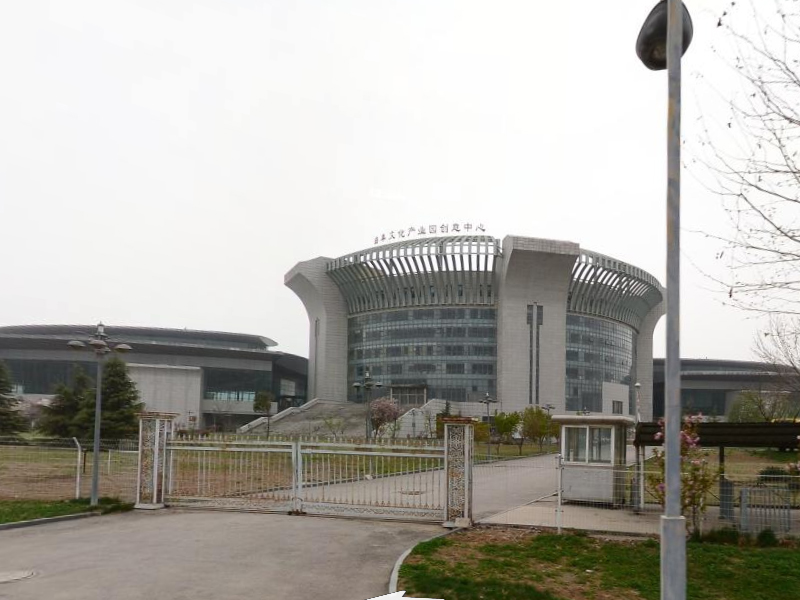 曲阜孔子文化會展中心
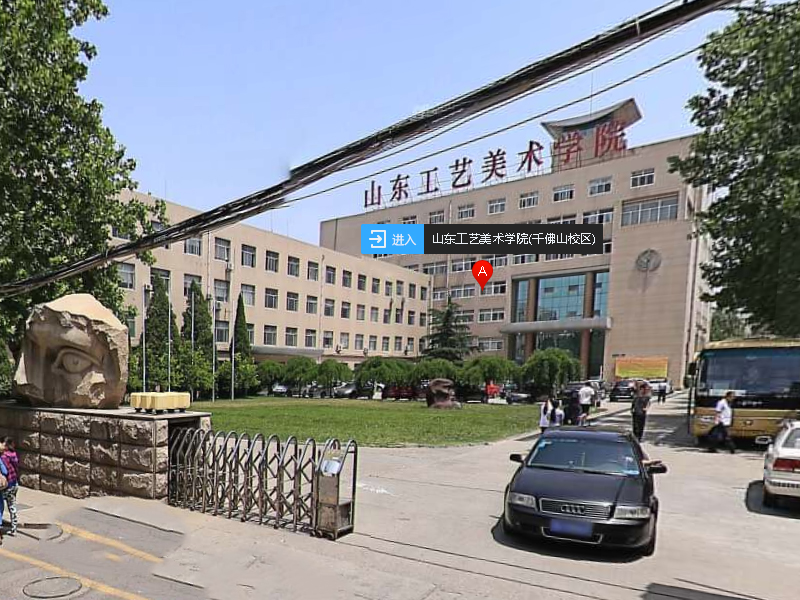 山東工藝美院
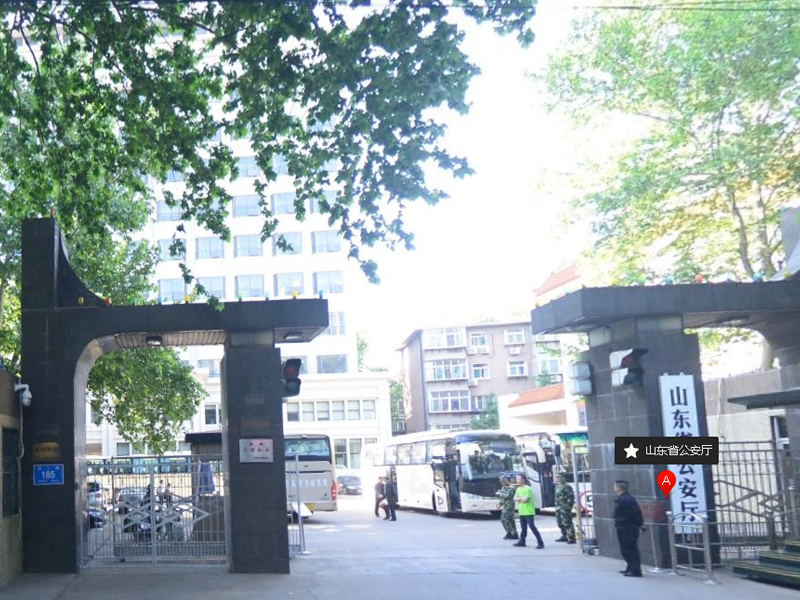 公安廳服務展示
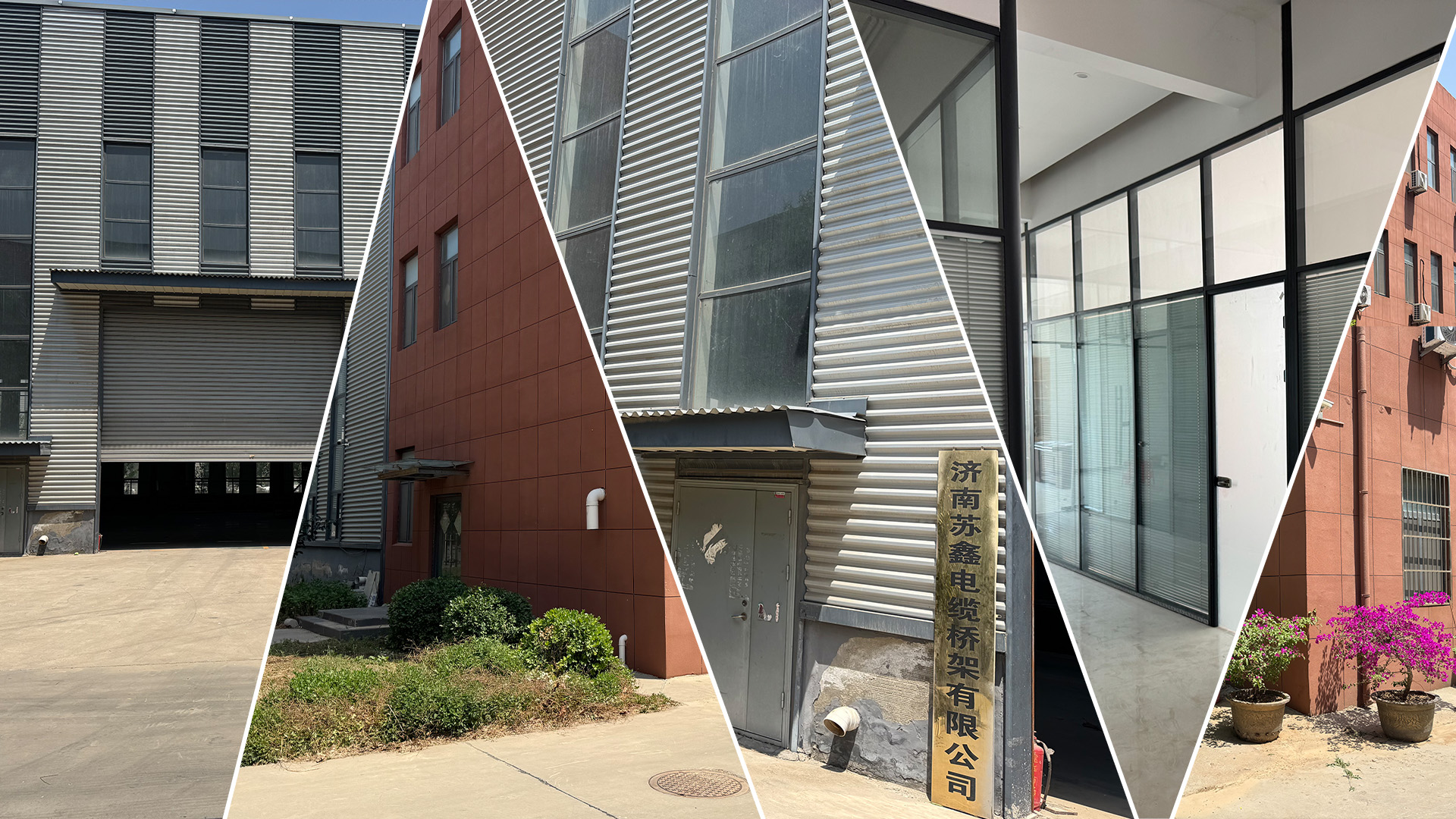 梯式橋架:工業動力的“呼吸”骨架