濟南蘇鑫電纜橋架有限公司
客戶咨詢熱線
0531-85767688
售后熱線:15668327566
聯系基地:山東省 德州市協同發展產業園D06幢
文章來源:http://m.ymmgjx.net/?? 作者:電纜橋架廠家發布時間:2025-07-25?瀏覽次數:1
在電纜橋架的防腐處理工藝中,熱浸鋅與熱鍍鋅是兩種常見的鍍鋅方式,雖名稱相似,但在工藝原理、防腐性能及適用場景上存在顯著差異。了解兩者的區別,有助于根據實際環境需求選擇更適配的橋架,避免因防腐失效導致的安全隱患與維護成本增加。
In the anti-corrosion treatment process of cable trays, hot-dip galvanizing and hot-dip galvanizing are two common galvanizing methods. Although they have similar names, there are significant differences in process principles, anti-corrosion performance, and applicable scenarios. Understanding the difference between the two can help choose a more suitable bridge frame based on actual environmental needs, avoiding safety hazards and increased maintenance costs caused by anti-corrosion failure.
工藝原理的不同是兩者非常本質的區別,直接影響鍍鋅層的形成方式與結構。熱浸鋅工藝是將除銹后的橋架浸入融化的鋅液(溫度約 440-460℃)中,使橋架表面與鋅液發生化學反應,形成一層鋅鐵合金層,外層再覆蓋純鋅層,整體鍍層由內到外呈現 “鐵 - 鋅合金層→鋅層” 的梯度結構,鍍層厚度通常為 60-120 微米。這一過程中,鋅液與基體金屬的充分浸潤讓鍍層與橋架結合出色為緊密,用堅硬物體劃刻鍍層時,鍍層不易剝落,能隨基體輕微變形而不破裂。
The difference in process principles is the most fundamental difference between the two, which directly affects the formation method and structure of the galvanized layer. The hot-dip galvanizing process involves immersing the rust removed bridge into a molten zinc solution (at a temperature of approximately 440-460 ℃), causing a chemical reaction between the surface of the bridge and the zinc solution to form a layer of zinc iron alloy. The outer layer is then covered with a pure zinc layer, and the overall coating presents a gradient structure from the inside out, with a coating thickness typically ranging from 60-120 microns. During this process, the sufficient infiltration of zinc solution and substrate metal makes the coating and bridge tightly bonded. When carving the coating with a hard object, it is not easy to peel off and can withstand slight deformation of the substrate without breaking.
熱鍍鋅工藝(又稱電鍍鋅)則是通過電解作用實現,將橋架作為陰出色放入鋅鹽溶液中,陽出色掛鋅板,通直流電后鋅離子在橋架表面沉積形成純鋅鍍層,鍍層厚度較薄,通常為 10-30 微米,且為單一的純鋅層結構,與基體的結合力主要依靠物理吸附,劃刻時容易出現鍍層起皮現象。工藝溫度方面,熱浸鋅需在高溫下進行,而熱鍍鋅在常溫溶液中完成,對橋架基體的熱影響更小,適合對精度要求較高的薄壁橋架。
The hot-dip galvanizing process (also known as electroplating) is achieved through electrolysis. The bridge is placed as the cathode in a zinc salt solution, and a zinc plate is hung on the anode. After direct current is applied, zinc ions deposit on the surface of the bridge to form a pure zinc coating. The coating thickness is relatively thin, usually 10-30 microns, and it is a single pure zinc layer structure. The bonding force with the substrate mainly relies on physical adsorption, and peeling of the coating is prone to occur during engraving. In terms of process temperature, hot-dip galvanizing needs to be carried out at high temperatures, while hot-dip galvanizing is completed in a room temperature solution, which has less thermal impact on the bridge substrate and is suitable for thin-walled bridge structures with high precision requirements.
防腐性能的差異源于鍍層結構與厚度的不同,決定了兩者在不同環境下的耐用性。熱浸鋅橋架因鍍層厚且含鋅鐵合金層,防腐能力顯著優于熱鍍鋅橋架。在潮濕環境(如地下車庫、地下室)中,熱浸鋅鍍層能通過鋅的犧牲陽出色作用,緩慢消耗自身保護基體,使用壽命可達 15-20 年;而熱鍍鋅橋架在相同環境下,由于鍍層薄,3-5 年就可能出現局部銹蝕。
The difference in anti-corrosion performance is due to the difference in coating structure and thickness, which determines their durability in different environments. Hot dip galvanized bridge has significantly better anti-corrosion ability than hot-dip galvanized bridge due to its thick coating and zinc iron alloy layer. In humid environments such as underground garages and basements, hot-dip zinc coatings can slowly consume their protective substrate through the sacrificial anodic effect of zinc, with a service life of up to 15-20 years; However, hot-dip galvanized cable trays may experience localized corrosion within 3-5 years due to thin coating in the same environment.
在工業環境(如化工車間、印染廠)中,熱浸鋅的厚鍍層能更好地抵御空氣中的腐蝕性氣體(如二氧化硫、氯氣)侵蝕,鍍層表面形成的致密氧化膜可阻隔腐蝕介質滲透;熱鍍鋅橋架的薄鍍層則易被腐蝕氣體穿透,導致基體生銹。對于戶外暴露場景(如露天電纜溝、路燈橋架),熱浸鋅橋架能承受雨水沖刷、紫外線照射及溫度變化的考驗,而熱鍍鋅橋架在長期戶外環境中,鍍層易因氧化出現粉化脫落,防腐壽命僅為熱浸鋅的 1/3-1/2。
In industrial environments such as chemical workshops and printing and dyeing factories, hot-dip galvanized thick coatings can better resist the erosion of corrosive gases (such as sulfur dioxide and chlorine gas) in the air. The dense oxide film formed on the surface of the coating can block the penetration of corrosive media; The thin coating of hot-dip galvanized cable trays is easily penetrated by corrosive gases, causing rusting of the substrate. For outdoor exposure scenarios such as cable trenches and street lamp trays, hot-dip galvanized trays can withstand the test of rainwater erosion, ultraviolet radiation, and temperature changes. However, hot-dip galvanized trays are prone to powdering and peeling of the coating due to oxidation in long-term outdoor environments, and their anti-corrosion life is only 1/3-1/2 of hot-dip galvanized trays.
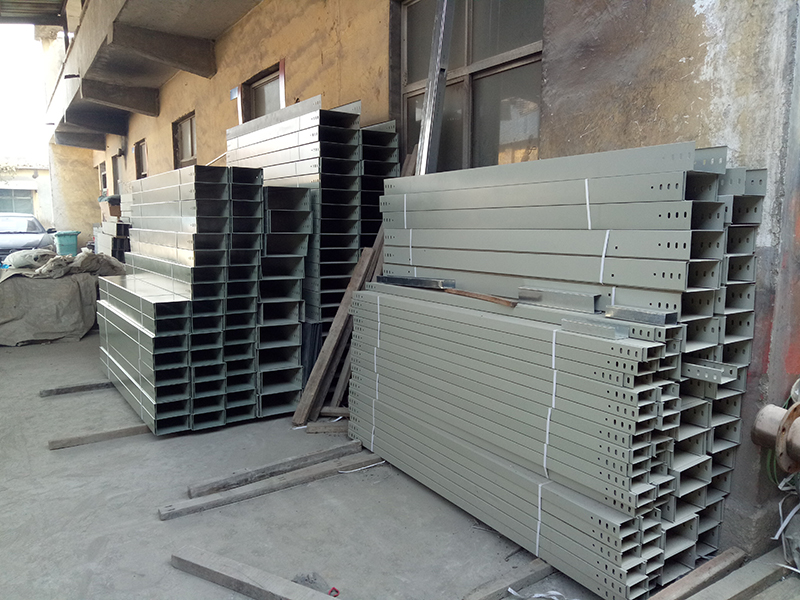
適用場景的分化由性能與成本共同決定,需結合環境腐蝕性與經濟預算選擇。熱浸鋅橋架適合高腐蝕性、長期戶外或潮濕的重負荷場景,如沿海地區(高鹽霧)、污水處理廠(高濕度、含硫化氫)、冶金車間(高溫、粉塵多)等,雖然初期采購成本較高(約為熱鍍鋅橋架的 1.5-2 倍),但長期使用無需頻繁更換,綜合成本更低。
The differentiation of applicable scenarios is determined by both performance and cost, and needs to be combined with environmental corrosiveness and economic budget selection. Hot dip galvanized cable trays are suitable for highly corrosive, long-term outdoor or humid heavy load scenarios, such as coastal areas (high salt spray), sewage treatment plants (high humidity, hydrogen sulfide), metallurgical workshops (high temperature, high dust), etc. Although the initial procurement cost is relatively high (about 1.5-2 times that of hot-dip galvanized cable trays), long-term use does not require frequent replacement, and the overall cost is lower.
熱鍍鋅橋架則適用于干燥、腐蝕性弱的輕負荷環境,如辦公樓、商場的室內電纜豎井,普通廠房的干燥區域等,其較低的成本與較薄的鍍層(對橋架重量影響小)更具優勢。在對外觀要求較高的場合(如展廳、酒店大堂),熱鍍鋅橋架表面更光滑平整,經鈍化處理后可呈現銀白色或彩色外觀,而熱浸鋅橋架表面因高溫反應會形成略帶粗糙的銀灰色,視覺效果相對樸素。
Hot dip galvanized cable trays are suitable for dry and weakly corrosive light load environments, such as indoor cable shafts in office buildings and shopping malls, and dry areas in ordinary factories. Their lower cost and thinner coating (which has less impact on the weight of the cable tray) are more advantageous. In occasions with high requirements for appearance, such as exhibition halls and hotel lobbies, hot-dip galvanized bridge frames have a smoother and smoother surface. After passivation treatment, they can present a silver white or colored appearance, while hot-dip galvanized bridge frames may form a slightly rough silver gray surface due to high temperature reactions, resulting in a relatively simple visual effect.
安裝與維護的細節差異也需納入考量,影響施工便利性與后期管理。熱浸鋅橋架因鍍層厚且硬度高,切割、鉆孔時需使用專用工具,否則易導致切口處鍍層開裂,切割后需對切口進行防腐處理(如涂刷鋅含量高的防銹漆);熱鍍鋅橋架鍍層薄,加工難度低,切口處理相對簡單,用普通防銹漆即可彌補鍍層損傷。
The differences in installation and maintenance details also need to be taken into consideration, which affects the convenience of construction and later management. Hot dip galvanized cable trays require specialized tools for cutting and drilling due to their thick coating and high hardness. Otherwise, the coating at the cut may crack. After cutting, anti-corrosion treatment (such as applying anti rust paint with high zinc content) should be carried out on the cut; The hot-dip galvanized bridge has a thin coating, low processing difficulty, and relatively simple incision treatment. Ordinary anti rust paint can be used to compensate for the damage to the coating.
本文由山東電纜橋架友情奉獻.更多有關的知識請點擊:http://m.ymmgjx.net我們將會對您提出的疑問進行詳細的解答,歡迎您登錄網站留言.
This article is a friendly contribution from Shandong Cable Bridge For more information, please click: http://m.ymmgjx.net We will provide detailed answers to your questions. You are welcome to log in to our website and leave a message
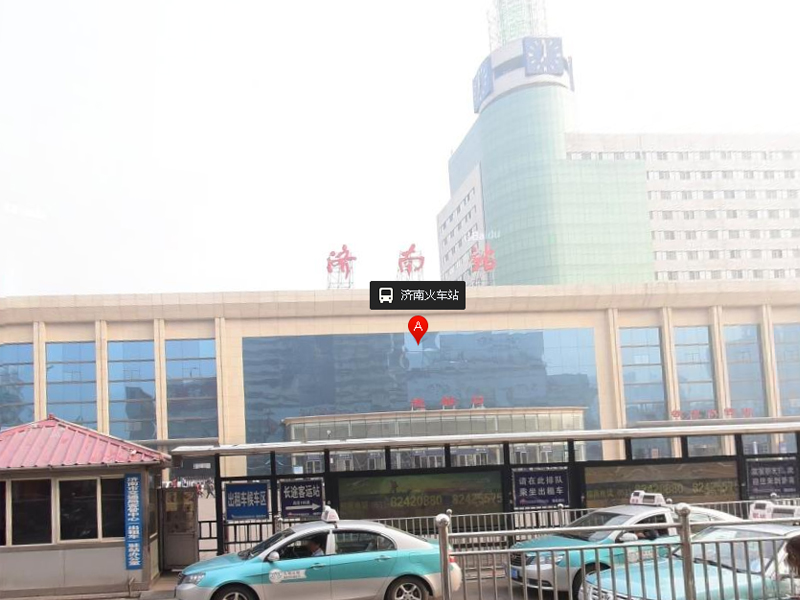 濟南火車站
濟南火車站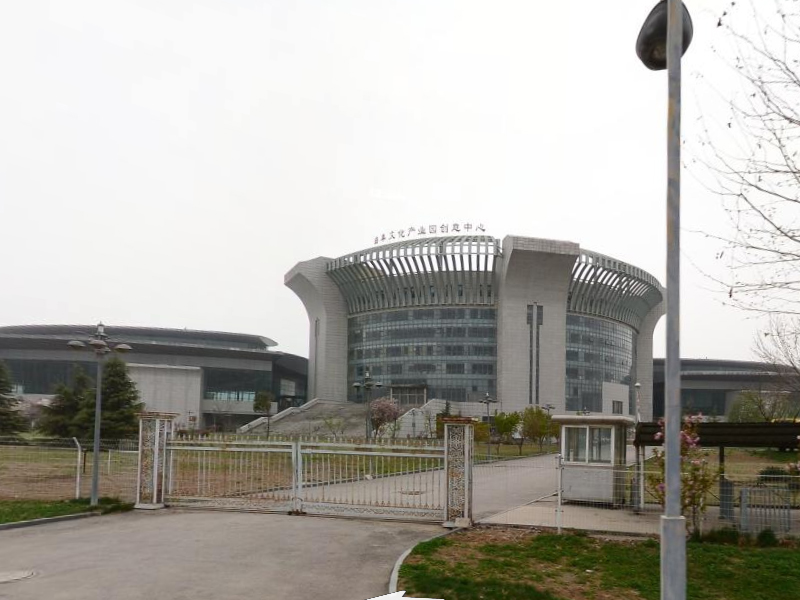 曲阜孔子文化會展中心
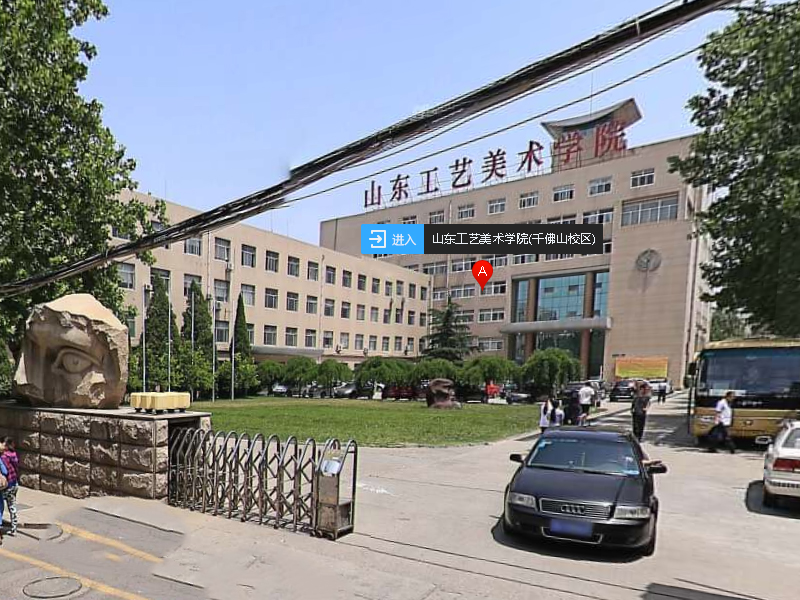 山東工藝美院
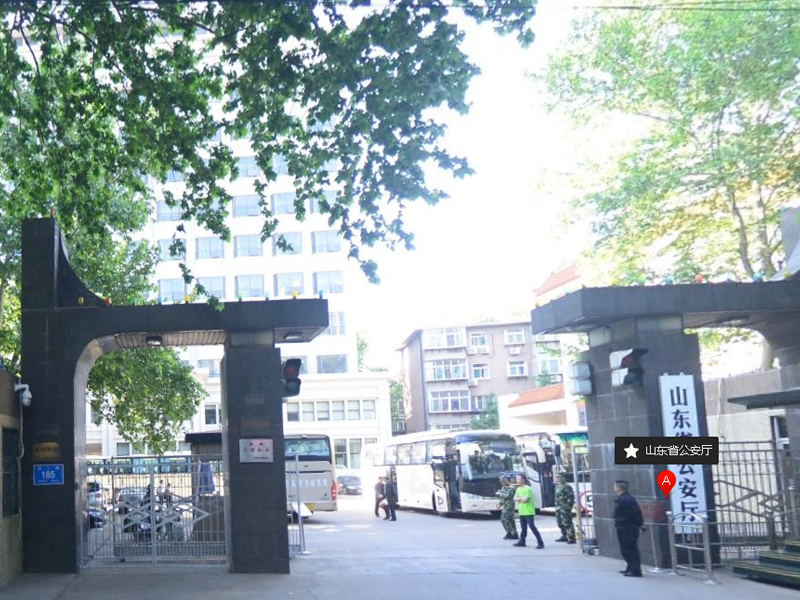 公安廳服務展示
 梯式橋架:工業動力的“呼吸”骨架
在建筑電氣與工業廠房的龐大系統中,電纜橋架猶如人體的血管,負責輸送持續供應的動力與信號。而在眾多橋架類型中,梯式橋架憑借其獨特的結構設計,成為了大截面動力電纜的絕佳載體。In the vast sys
TIME:2026-06-22
本網站部分內容來源于網絡,如有侵權請告知!我們立即刪除;本網站嚴格遵循國家相關法律法規規定,如有不當之處,請告知!我們立即刪除。
網站備案:魯ICP備2022033215號
濟南蘇鑫電纜橋架有限公司