濟南蘇鑫電纜橋架有限公司
客戶咨詢熱線
0531-85767688
售后熱線:15668327566
聯系基地:山東省 德州市協同發展產業園D06幢
文章來源:http://m.ymmgjx.net/?? 作者:電纜橋架廠家發布時間:2025-10-16?瀏覽次數:1
弱電強電橋架能在一起嗎
Can weak and strong electrical cable trays be connected together
弱電橋架和強電橋架通常不能直接安裝在一起,因為它們的用途、信號特性和安全要求不同,將它們混合布置可能引發安全隱患和信號干擾。以下是主要的原因和解決方法:
Weak current cable trays and strong current cable trays cannot be directly installed together because their purposes, signal characteristics, and safety requirements are different. Mixing them may cause safety hazards and signal interference. The following are the main reasons and solutions: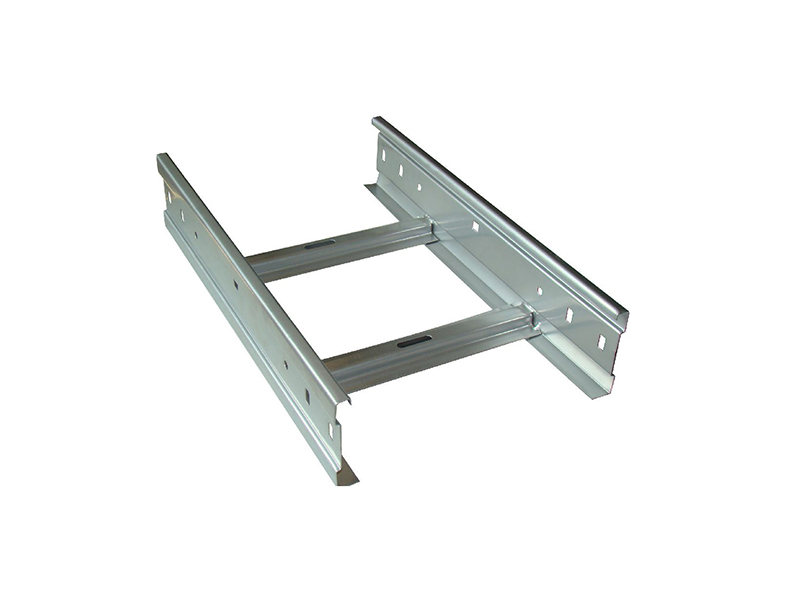
1.電磁干擾(EMI)
1. Electromagnetic interference (EMI)
強電系統(如電力電纜)在工作時會產生電磁場,這可能對附近的弱電系統(如數據、通信、電信電纜)造成電磁干擾,導致信號失真或通信故障。
Strong electrical systems (such as power cables) generate electromagnetic fields during operation, which may cause electromagnetic interference to nearby weak electrical systems (such as data, communication, and telecommunications cables), leading to signal distortion or communication failures.
如果強電和弱電橋架靠得太近或共用一個橋架,強電的電磁干擾會對弱電系統中的敏感信號(如網絡、電話、監控)造成干擾,影響系統的正常工作。
If the strong current and weak current cable trays are too close or share the same tray, the electromagnetic interference of strong current will interfere with sensitive signals in the weak current system (such as network, telephone, monitoring), affecting the normal operation of the system.
2.安全問題
2. Safety issues
強電電纜傳輸高電壓或大電流,如果絕緣不良或發生故障,可能會對弱電系統的電纜產生電擊風險。電纜損壞或故障可能導致火災、設備損壞,甚至危及人員安全。
Strong electrical cables transmit high voltage or high current, and if insulation is poor or malfunctions occur, there may be a risk of electric shock to the cables of weak electrical systems. Cable damage or malfunction may lead to fire, equipment damage, and even endanger personnel safety.
3.法規與標準要求
3. Regulatory and standard requirements
多個國家和地區的電氣規范通常要求強電電纜和弱電電纜分開敷設,或者至少保持一定的物理距離。根據標準,一般要求強電和弱電電纜建議采用獨立的橋架或管道,并保持安全距離,以減少電磁干擾和安全隱患。
Electrical regulations in multiple countries and regions typically require that strong and weak electrical cables be laid separately, or at least maintain a certain physical distance. According to the standard, it is generally required that strong and weak current cables must use independent cable trays or pipelines and maintain a safe distance to reduce electromagnetic interference and safety hazards.
4.信號質量影響
4. Impact on signal quality
弱電系統中的信號(如通信或數據傳輸)往往對干擾非常敏感。若將弱電與強電電纜布置在同一個橋架中,可能會導致數據丟包、通信中斷、網絡延遲等問題,影響系統的穩定性。
Signals in weak current systems, such as communication or data transmission, are often particularly sensitive to interference. If weak current and strong current cables are arranged in the same cable tray, it may cause problems such as data loss, communication interruption, network delay, etc., affecting the stability of the system.
解決方法:
Solution:
分開布置:
Separate arrangement:
非常好的方法是使用單獨的橋架分別布置弱電和強電電纜。即使在同一線路走向中,弱電橋架和強電橋架也應保持一定的水平或垂直距離。
The best method is to use separate cable trays to arrange weak and strong electrical cables separately. Even in the same route, weak and strong current cable trays should maintain a certain horizontal or vertical distance.
屏蔽橋架:
Shielding bridge:
如果空間有限,無法完全分開布置,建議使用帶有屏蔽功能的橋架或屏蔽電纜,以減少強電對弱電的干擾。
If space is limited and cannot be completely separated for layout, it is recommended to use cable trays or shielded cables with shielding functions to reduce the interference of strong electricity on weak electricity.
保持安全距離:
Maintain a safe distance:
如果弱電和強電電纜建議在同一空間內布置,需遵循相關電氣規范,保持規定的非常小距離。例如,某些標準要求強電和弱電電纜之間的距離不得少于30厘米,并且盡量避免并行布置過長的線路。
If weak and strong electrical cables must be arranged in the same space, relevant electrical regulations must be followed to maintain the minimum distance specified. For example, some standards require that the distance between strong and weak electrical cables should not be less than 30 centimeters, and long parallel lines should be avoided as much as possible.
總結:
Summary:
為了避免電磁干擾和安全隱患,弱電和強電橋架應盡量分開布置或采取適當的屏蔽和隔離措施。確保遵循相關電氣標準和安全規范,以保障電氣系統的安全性和穩定性。
In order to avoid electromagnetic interference and safety hazards, weak and strong current cable trays should be arranged separately as much as possible or appropriate shielding and isolation measures should be taken. Ensure compliance with relevant electrical standards and safety regulations to ensure the safety and stability of the electrical system.
本文由 山東電纜橋架 友情奉獻.更多有關的知識請點擊 http://m.ymmgjx.net/ 真誠的態度.為您提供為多維度的服務.更多有關的知識我們將會陸續向大家奉獻.敬請期待.
This article is a friendly contribution from Shandong Cable Bridge For more related knowledge, please click http://m.ymmgjx.net/ Sincere attitude To provide you with comprehensive services We will gradually contribute more relevant knowledge to everyone Coming soon.
 濟南火車站
濟南火車站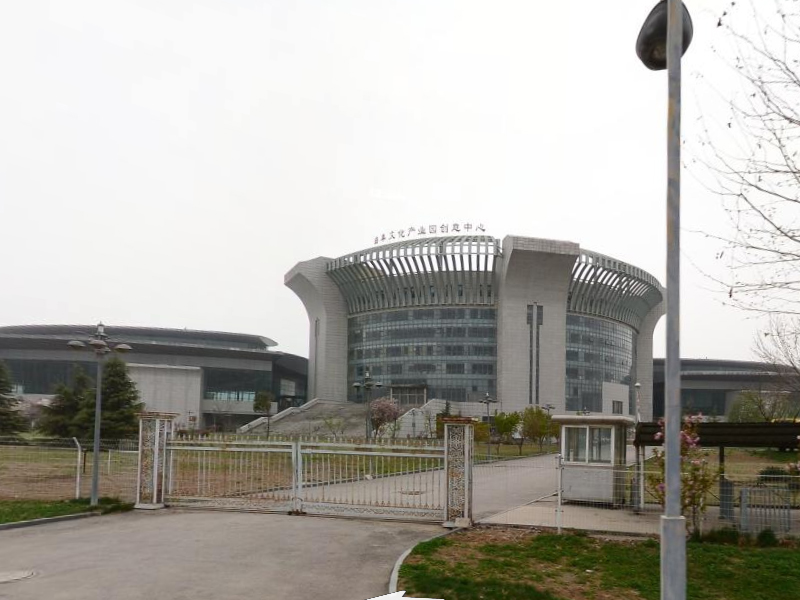 曲阜孔子文化會展中心
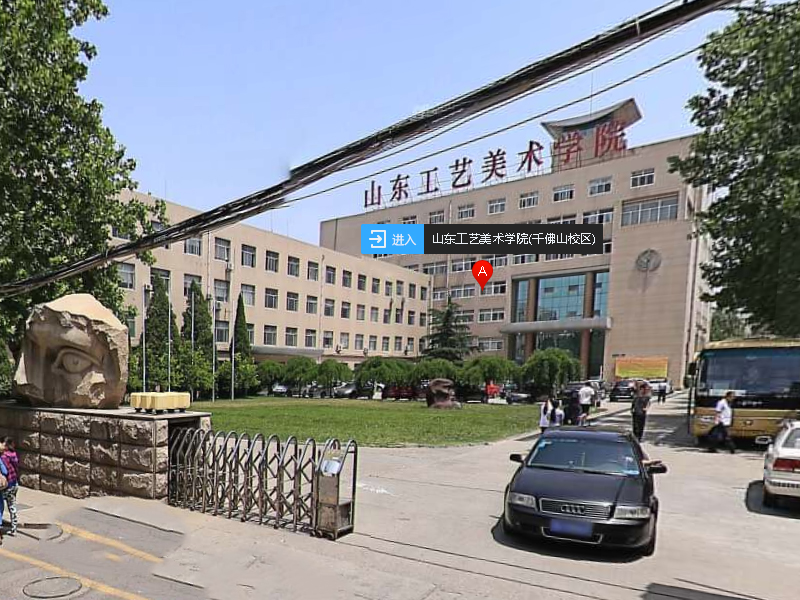 山東工藝美院
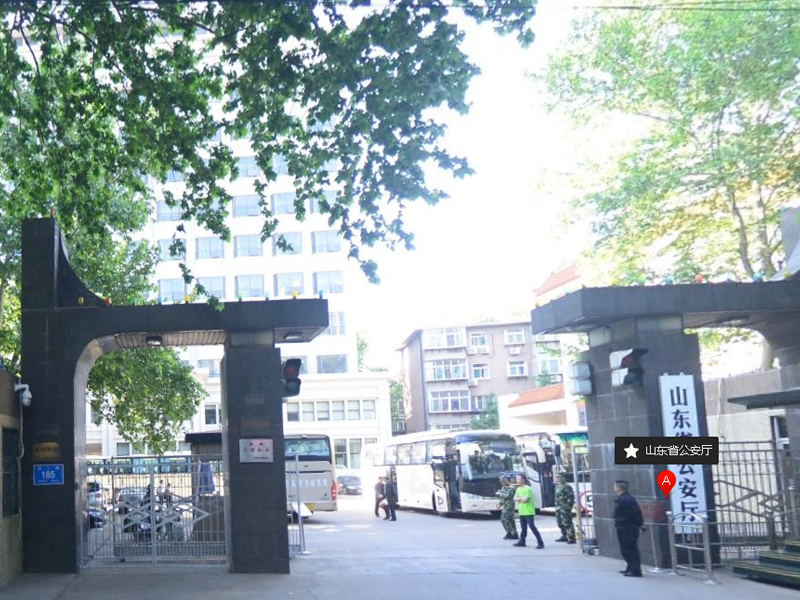 公安廳服務展示
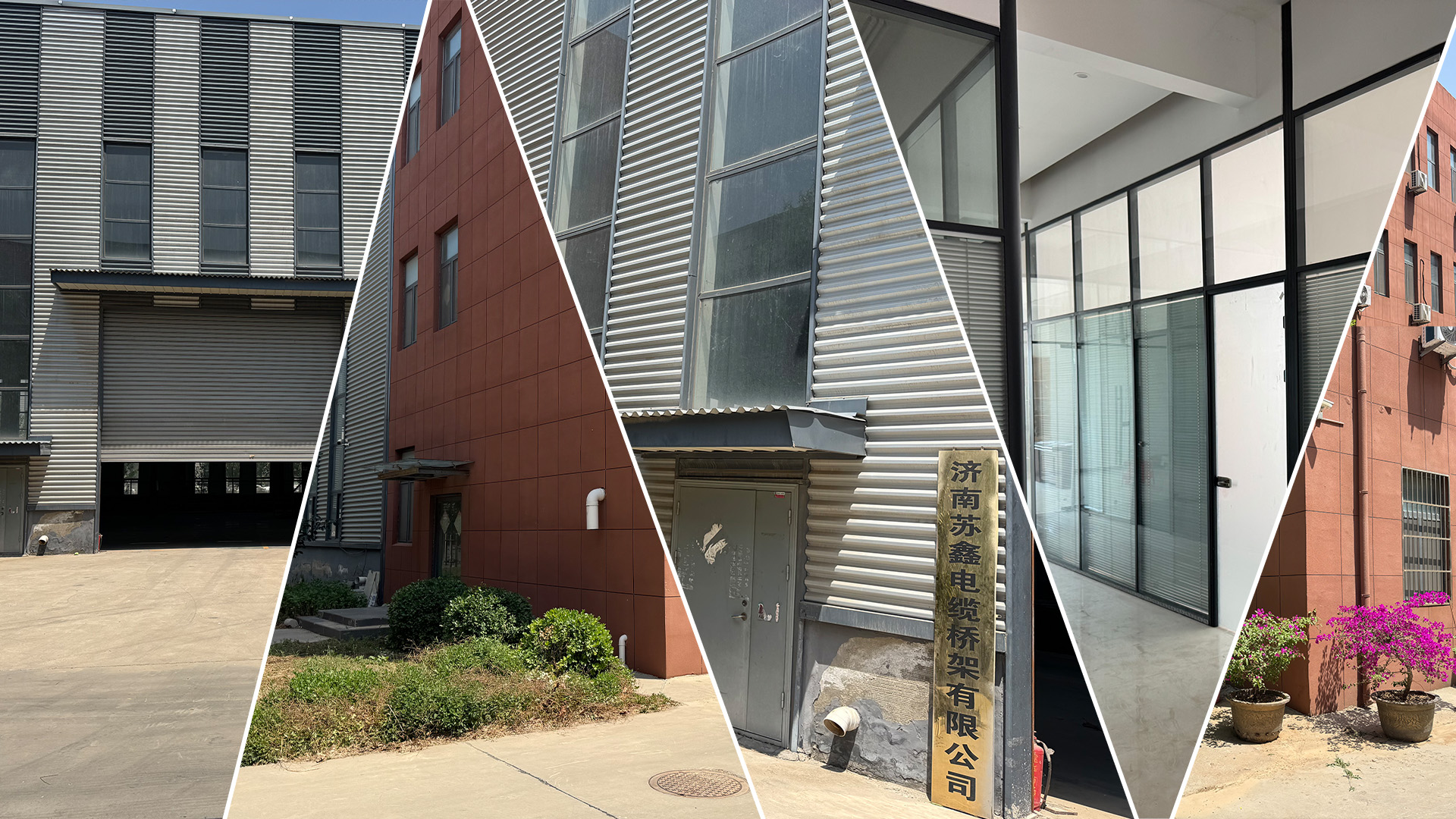 梯式橋架:工業動力的“呼吸”骨架
在建筑電氣與工業廠房的龐大系統中,電纜橋架猶如人體的血管,負責輸送持續供應的動力與信號。而在眾多橋架類型中,梯式橋架憑借其獨特的結構設計,成為了大截面動力電纜的絕佳載體。In the vast sys
TIME:2026-06-22
本網站部分內容來源于網絡,如有侵權請告知!我們立即刪除;本網站嚴格遵循國家相關法律法規規定,如有不當之處,請告知!我們立即刪除。
網站備案:魯ICP備2022033215號
濟南蘇鑫電纜橋架有限公司