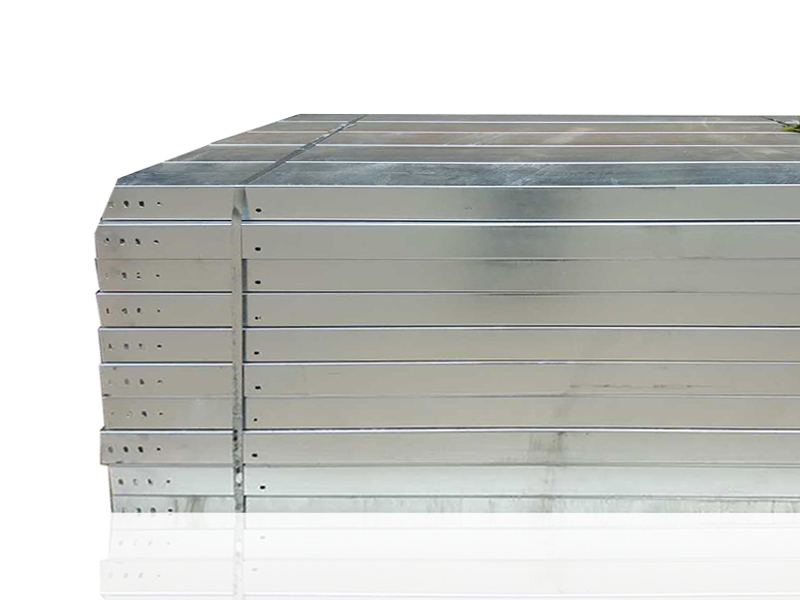
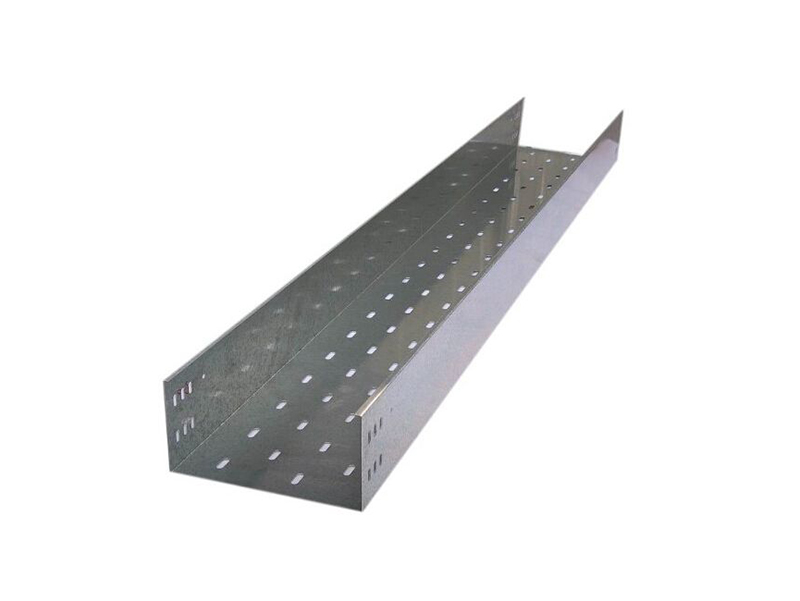
1.防火橋架主要用于敷設室內外架空電纜溝的、隧道施工,如10KV以內的電力電纜、控制電纜的、照明布線等。防火橋架主要由玻璃纖維增強材料、無機膠粘復合防火板、金屬骨架復合材料等防火基材組成,外層涂有防火涂料。防火橋架遇火后不易燃燒,防止火勢蔓延。該防火橋架具有優異的防火、抗火實用效果,具有防火、耐油、耐腐蝕、無毒、整體安裝方便等特點。該防火涂料具有涂層薄、耐火出色高、附著力強的特點。
1. Fireproof bridge is mainly used for laying indoor and outdoor overhead cable trench and tunnel construction, such as power cable, control cable and lighting wiring within 10kV. The fireproof bridge is mainly composed of glass fiber reinforced material, inorganic adhesive composite fireproof board, metal skeleton composite material and other fireproof substrates, and the outer layer is coated with fireproof coating. The fire-proof bridge is not easy to burn in case of fire to prevent the spread of fire. The fireproof bridge has excellent fire prevention and fire resistance practical effect, and has the characteristics of fire prevention, oil resistance, corrosion resistance, non toxicity, convenient overall installation and so on. The fireproof coating has the characteristics of thin coating, high fire resistance and strong adhesion.
2.鍍鋅電纜橋架主要用于潮濕和寒冷的、腐蝕環境。根據生產工藝的不同,可分為熱鍍鋅和電鍍鋅(即冷鍍鋅)兩種。此外,它們在過程中略有不同。
2. Galvanized cable tray is mainly used in humid, cold and corrosive environment. According to different production processes, it can be divided into hot galvanizing and electro galvanizing (i.e. cold galvanizing). In addition, they are slightly different in the process.
熱鍍鋅電纜橋架的工藝流程:將鋼制零件或鑄件浸入熔融鋅液中,在其表面形成鋅鐵合金或鋅及鋅鐵合金鍍層的工藝流程和方式。
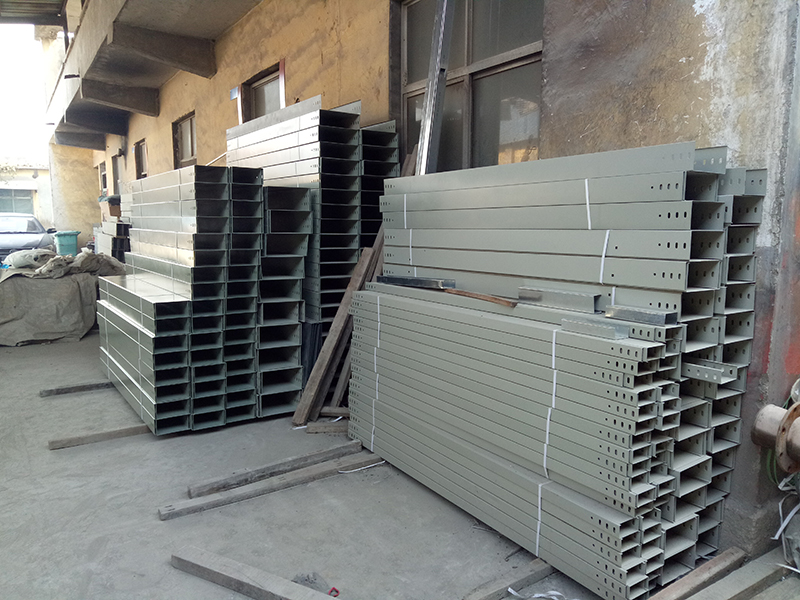
Process flow of hot-dip galvanized cable tray: immerse steel parts or castings in molten zinc to form zinc iron alloy or zinc and zinc iron alloy coating on its surface.
冷鍍鋅電纜橋架工藝流程:鋼材表面化學清洗處理后,放入含氧化鋅的電鍍液中。一個DC電出色與鋼相連,另一個與電鍍液中的鋅板相連。通電后,鋅以分子狀態被置換到鋼的表面。如果加入光亮劑鈍化,會呈現云狀光亮涂層。
Process flow of cold galvanized cable tray: after chemical cleaning of steel surface, put it into electroplating solution containing zinc oxide. One DC electrode is connected to the steel and the other is connected to the zinc plate in the electroplating solution. After energization, zinc is replaced to the surface of steel in molecular state. If the brightener is added for passivation, the cloud like bright coating will appear.
電鍍鋅應用于鋼結構的防銹效果通常不是很好,主要是因為鍍鋅量達不到,鍍鋅不對稱,一般兩三年左右就會生銹,質量差的暴露在濕冷環境中十幾天就會生銹。熱浸鍍鋅層厚,耐腐蝕性強。冷鍍鋅層比熱鍍鋅層光亮,但較薄,防銹能力弱。
The antirust effect of electro galvanizing applied to steel structures is usually not very good, mainly because the amount of galvanizing is not enough and the galvanizing is asymmetric. Generally, it will rust in about two or three years, and the poor quality will rust in more than ten days after exposure to wet and cold environment. The hot-dip galvanized layer is thick and has strong corrosion resistance. The cold galvanized layer is brighter than the hot-dip galvanized layer, but it is thinner and has weak anti rust ability.
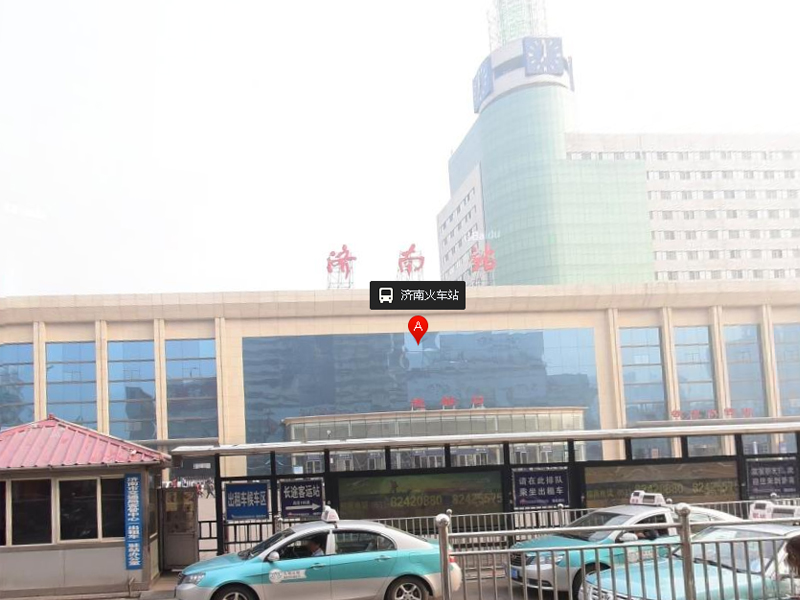 濟南火車站
濟南火車站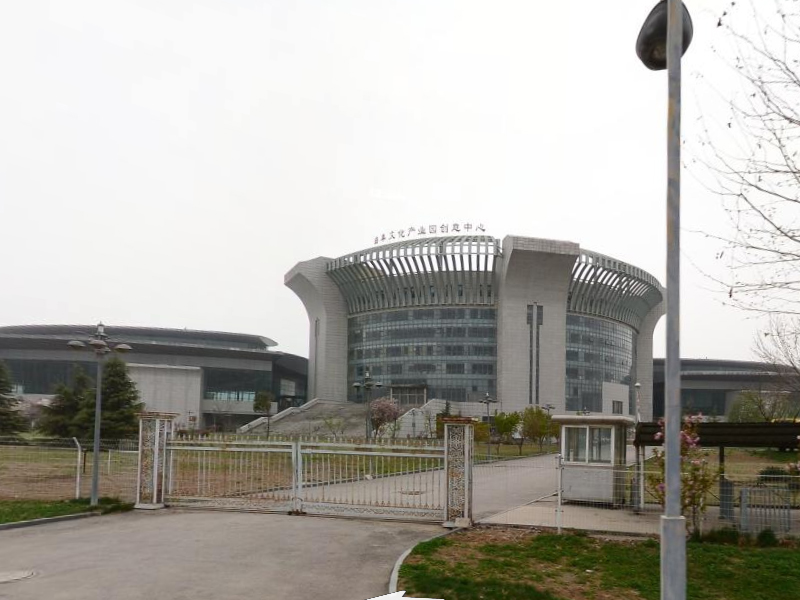 曲阜孔子文化會展中心
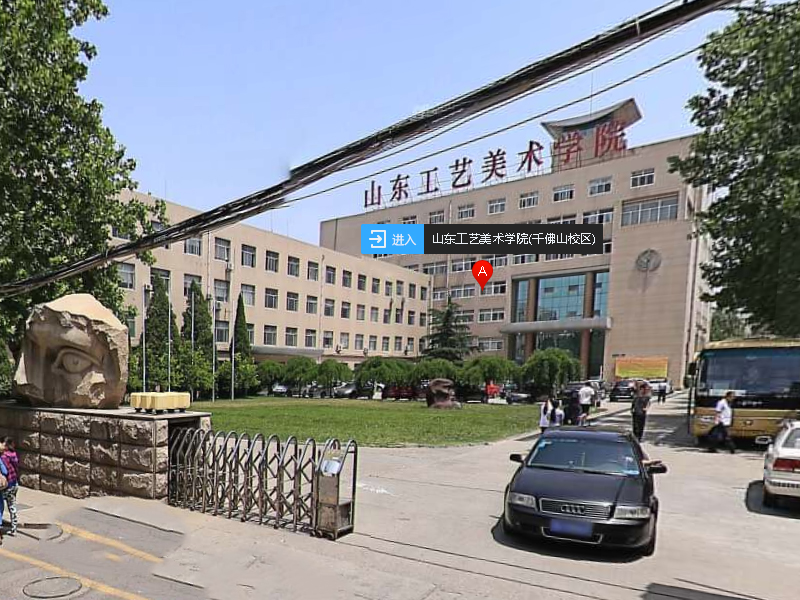 山東工藝美院
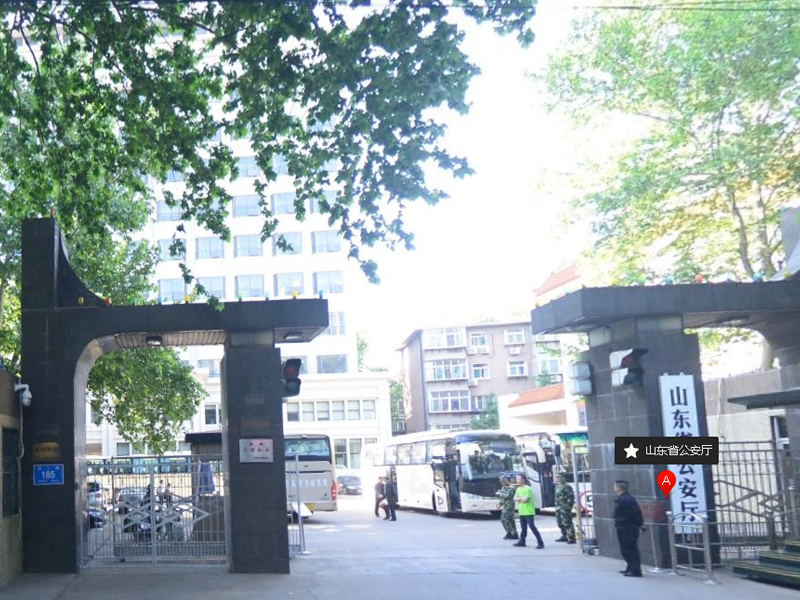 公安廳服務展示
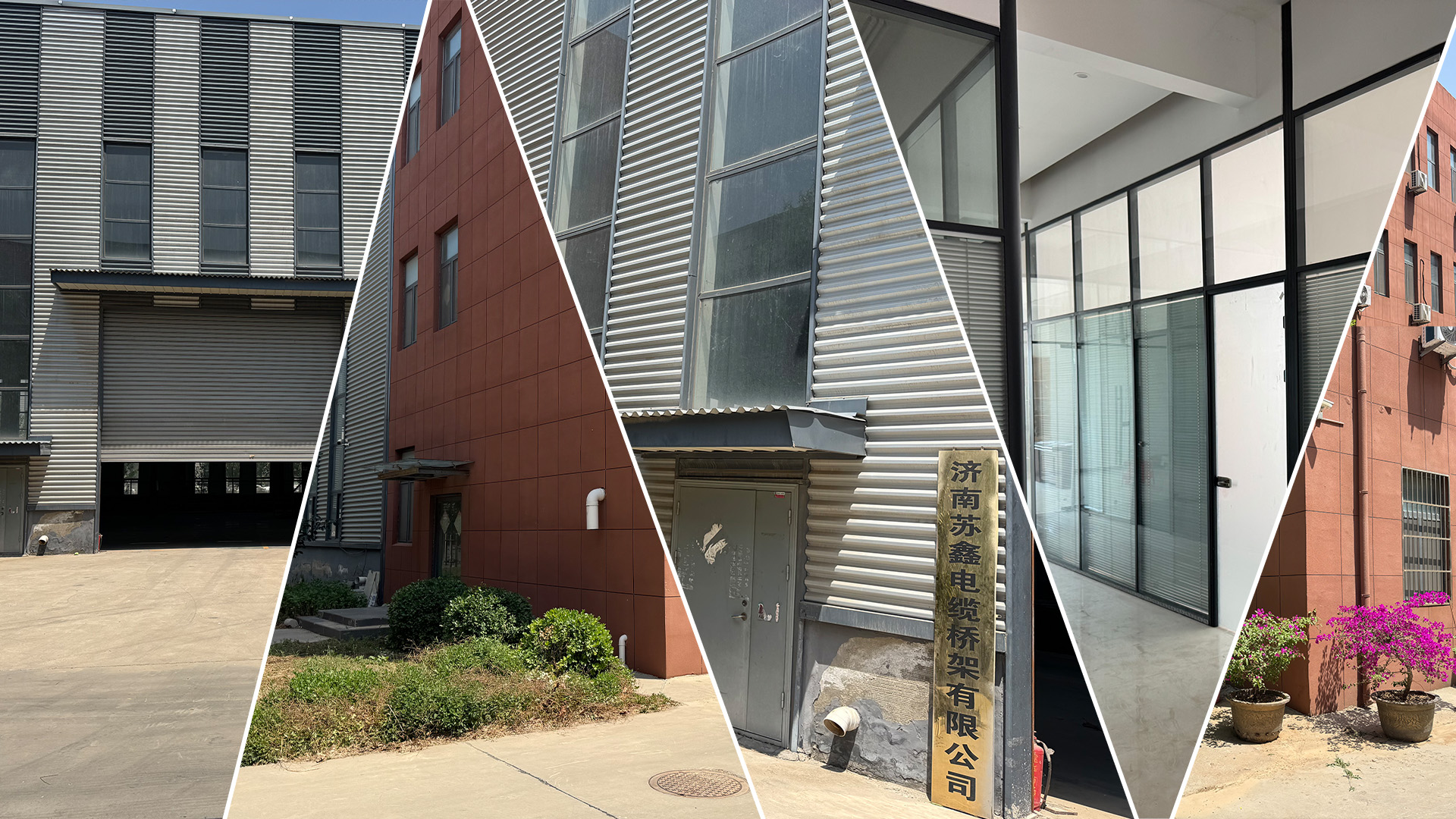 梯式橋架:工業動力的“呼吸”骨架