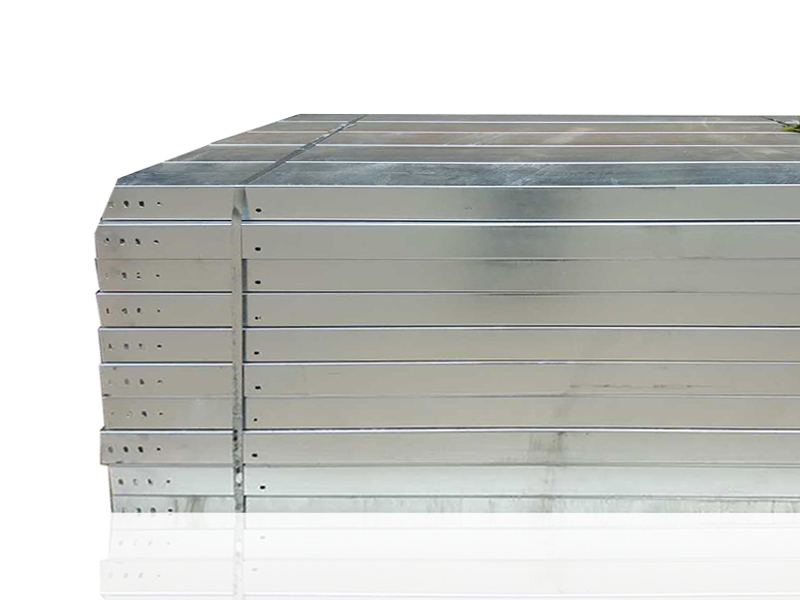
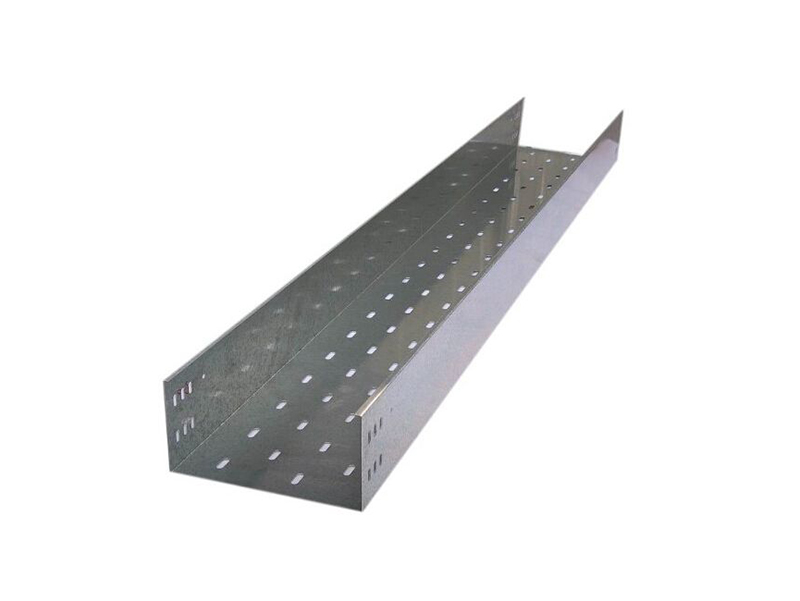
1)彈線定位:根據設計圖紙確定橋架走向,從始端至終端找好水平線或垂直線,用粉線袋在線路的中心外進行彈線,按照設計圖要求及施工驗收規范規定,分別找出分線盒、分線口及支架的具體位置,用鉛筆分別標注。一般支架間距為1.0-1.5m。
1) Snap line positioning: determine the direction of the bridge according to the design drawings, find the horizontal line or vertical line from the beginning to the end, snap the line outside the center of the line with a powder bag, find out the specific positions of the junction box, junction opening and support respectively according to the requirements of the design drawings and the provisions of the construction acceptance specifications, and mark them with pencils. Generally, the spacing between supports is 1.0-1.5m.
2)橋架敷設:根據標準位置放置分線盒和支架,然后放置橋架和出線口,同時根據需要加各種配件,朝上的橋架不必立得太長,否則易被砸斷。連接完畢后,調整支架和塑料蓋,使出線口到適當高度。達到位置正確,固定牢固,走向合理。橋架水平或垂直敷設部分平直度和垂直度允許偏差不超過5mm。為防止灰漿進入,各連接處周邊抹專用膠,各分線盒、出線口盒蓋擰緊,并用鐵絲綁扎,未端加塑料封堵。澆筑混凝土時設專人看護,發現問題及時處理。
2) Cable tray laying: place the junction box and support according to the standard position, and then place the cable tray and outlet. At the same time, add various accessories as needed. The upward cable tray does not have to stand too long, otherwise it is easy to be broken. After the connection, adjust the bracket and plastic cover to make the outlet to a proper height. The position is correct, the fixation is firm, and the direction is reasonable. The allowable deviation of straightness and verticality of the horizontal or vertical laying part of the bridge shall not exceed 5mm. In order to prevent mortar from entering, the periphery of each connection is smeared with special glue, the covers of each junction box and outlet box are tightened, bound with iron wire, and the end is blocked with plastic. When pouring concrete, special personnel shall be assigned to take care of it, and problems found shall be handled in time.
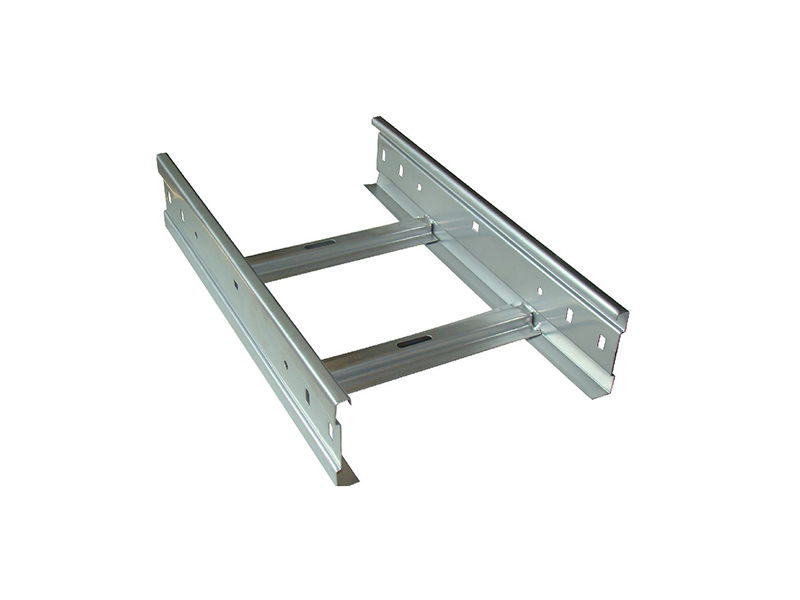
3)跨接地線焊接:依據施工規范,確定跨接線規格。地線兩端焊接面不小于該跨接線截面的6倍,焊縫均勻牢固。
3) Welding of jumper wire: determine the specification of jumper wire according to the construction specification. The welding surface at both ends of the ground wire shall not be less than 6 times the cross-section of the jumper wire, and the weld shall be uniform and firm.
4)槽內配線:先清掃橋架,可先將帶線穿插至出線口,然后將布條綁在帶線一端,從中一端將布線條拉出,反復多次可將
山東橋架內的雜物和積水清理干凈,也可用空氣壓縮機將橋架內的雜物和積水吹出。放線前應先檢查管及橋架連接處的護日是否齊全。
4) Wiring in the groove: first clean the bridge, insert the belt line to the outlet, then tie the cloth strip to one end of the belt line, pull out the cloth strip from the middle end, and repeatedly clean up the sundries and ponding in Shandong bridge, or blow out the sundries and ponding in the bridge with air compressor. Before setting out, check whether the day protection at the connection of pipe and bridge is complete.
5)線路檢查及絕緣遙測可參照管內穿絕緣導線安裝工程的相關部分。
5) For line inspection and insulation telemetry, please refer to the relevant parts of the installation project of insulated conductor passing through the pipe.
6)面板安裝:配合裝修,依據各出線口用途,安裝相應的面板。
6) Panel installation: cooperate with decoration and install corresponding panels according to the purpose of each outlet.
The process and technical requirements for the actual laying of cable tray are the contents explained above. If you have any problems during this period, please pay attention to our website http://m.ymmgjx.net Consult.
 濟南火車站
濟南火車站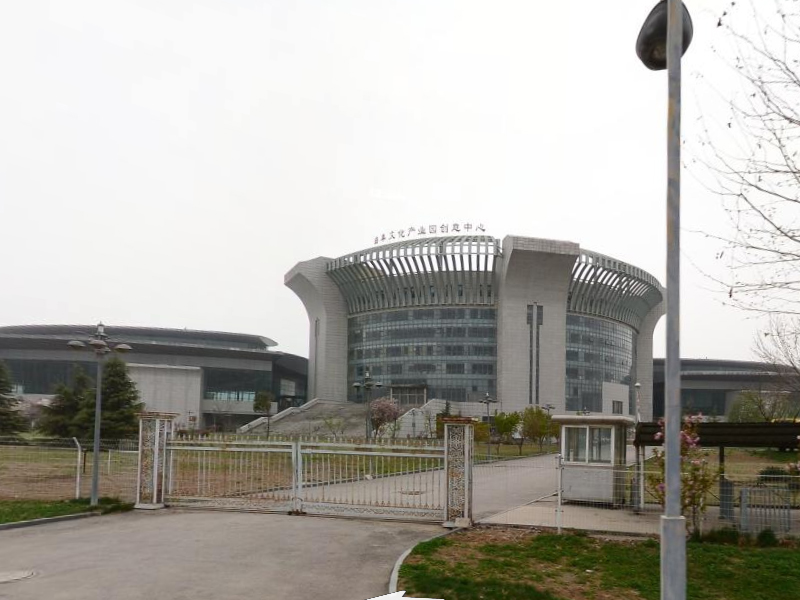 曲阜孔子文化會展中心
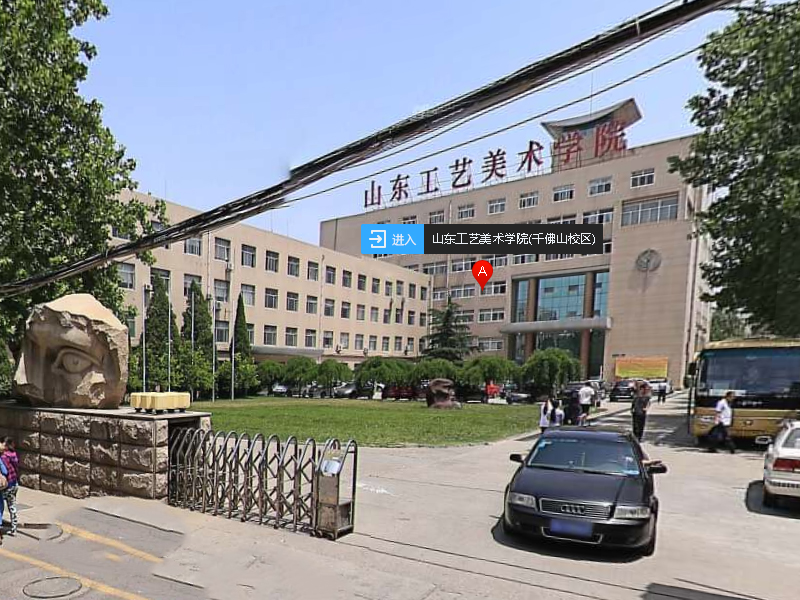 山東工藝美院
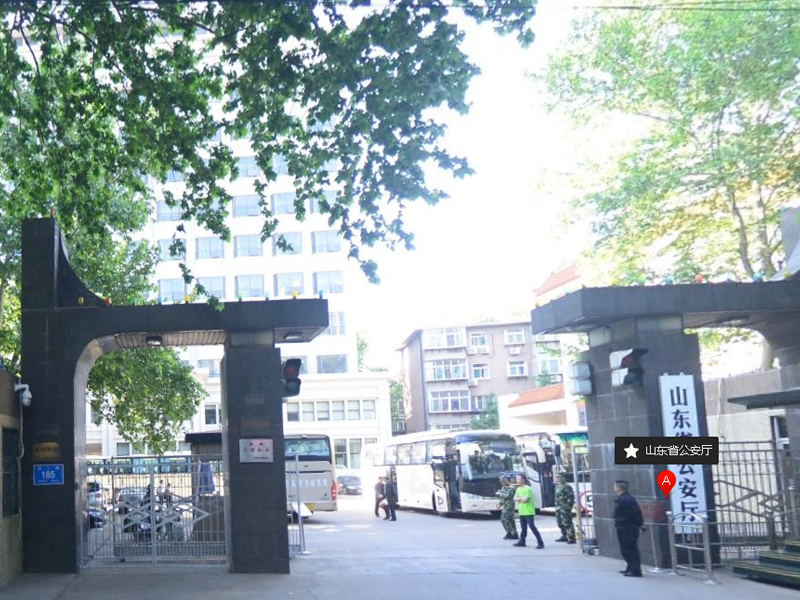 公安廳服務展示
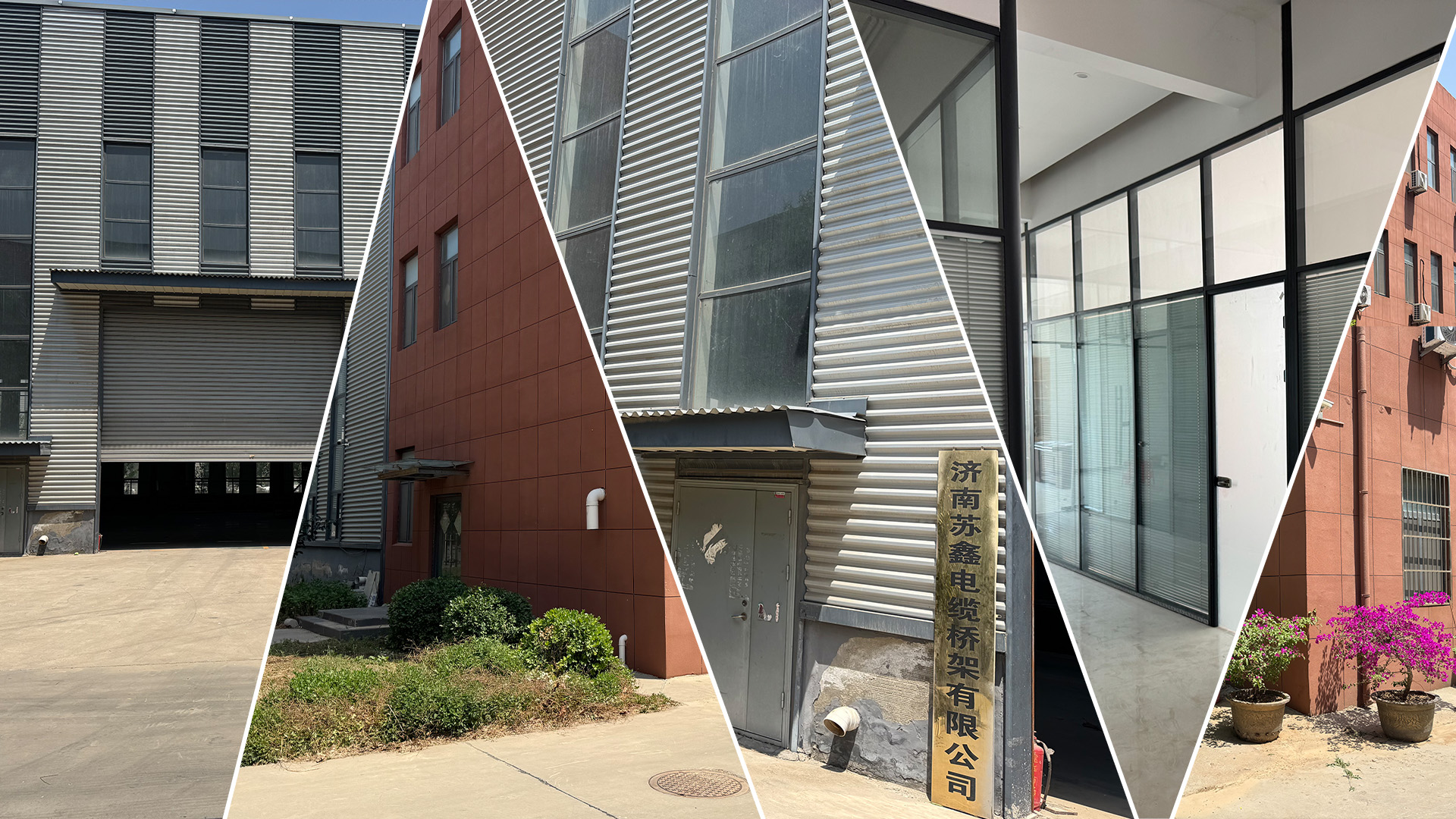 梯式橋架:工業動力的“呼吸”骨架